
دکتر ریموند رخشانی
مقاله و فایل صوتی شصت و دوم
با سلام، من ریموند رخشانی هستم و حوزه کارشناسی من مهندسی سیستم هاست، و تخصص علمی من در بکارگیری اندیشه سیستمی برای انتقال فن آوری مدرن و اجرا و پیاده سازی تولید فراورده های نوین می باشد.
در این سلسله از مقالات و فایل های صوتی، کوشش می کنم که علم مدرن را (به زبان فارسی) از پایه به دوستانی که علاقمند هستند، در حد توان، ارائه کنم. از اساتید، پژوهشگران و اندیشمندان عزیز، خواهشمندم که لینک ها را به دوستان و بویژه به جوانان دانش پژوه ما (که اغلب دسترسی نظام مند برای آشنایی با علم مدرن – به زبان فارسی – ندارند) ارسال فرمایند.
لینک همه مقالات و فایلهای صوتی پیشین در پایان مقاله گذاشته شده است.
دوستانی هم که در شبکه های اجتماعی حضور دارند، می توانند این مجموعه فایل های صوتی و مقالات “سرشت علم” را از ابتدا از طریق لینک تلگرام زیر با دوستان دیگر شریک شوند. با احترام، ر. رخشانی
(“https://t.me/natureofscience”)
سلول ها[۱] – بمثابه کارخانجاتِ تولیدِ موادِ شیمیاییِ[۲] زندگی[۳]
پیشتر در مُوردِ مَقوله ی تقلیل گرایی اشاره شد[۴] و نوشته شد که تلاشِ بَرخی دانشمندان برای شناختِ دُنیای فیزیکی[۵] از طریقِ نگاه و پژوهش در کوچک ترین واحدهایِ آن، تقلیل گرایی خوانده شده بود[۶] و تا مدت ها رویکردِ مرکزی پژوهش هایِ شیمیایی و فیزیکی بود[۷].
زیست شناسان تا مدت ها از قبولِ چنین رویه ای پرهیز کردند[۸]. برای آنها عقلایی نبود که کارکردِ پیچیده ی گیاهان و جانوران را بتوان به درهم کنشِ اجزای آنها یا به درهم کنشِ اتم های شانِ تقلیل داد[۹]. اما با اختراعِ ابزارهایِ دقیق و پیچیده ی جدید و بکارگیریِ میکروسکوپ ها و نانوسکوپ هایِ مدرن[۱۰]، تقلیل گراییِ نسبی[۱۱] به زیست شناسی یاری کرد[۱۲].
با بکارگیریِ روش هایِ علمی و ابزارهایِ فنی، نخستین گام کشفِ این بود که همه ی ارگانیسم ها[۱۳] از سلول[۱۴] ساخته شده اند[۱۵] – و سلول ها[۱۶] کارخانجاتِ تولیدِ موادِ شیمیایی زندگی خوانده می شوند.[۱۷]
- نخستین بار فیزیکدان بریتانیایی رابرت هوک[۱۸] (۱۶۳۵-۱۷۰۲) سلول ها[۱۹] را کشف کرد[۲۰].
- او مخترعِ نابغه ی ابزارهایِ مکانیکی بود[۲۱].
- در معروف ترین کتابِ خود، میکرونگاری[۲۲] در سال ۱۶۶۵ او مشاهداتِ میکروسکوپی خود را مطرح کرد[۲۳].
- در آن کتاب وی به ساختارِ میکروسکوپی چوب پنبه پرداخت و او اولین کسی است که واژه یِ سِلول را بکار برده است[۲۴].
اما در سالِ ۱۸۳۸ گیاه شناسِ آلمانی ماتیاس اشلایدن[۲۵] و جانورشناسِ آلمانی تئودور شوان نخستین نظریه های علمیِ مستند را پیرامونِ سلول ها مطرح کردند[۲۶]. آغاز علمِ زیست شناسیِ سلولی[۲۷] به سه نظریه ی علمی آنها باز می گردد[۲۸] که:
- همه ی موجوداتِ زنده از سلول ساخته شده اند[۲۹]،
- سلول ها واحدهایِ بنیادینِ زندگی هستند[۳۰] و
- همهی سلول ها از سلول هایی پیشینه شکل گرفته اند[۳۱].
سلول ها به نحوی چشمگیر در اندازه و شکل و عملکرد[۳۲] گوناگون اند[۳۳].
- بیشتر سلول ها میکروسکوپی اند و حدودا یک بیست و پنج هزارمِ میلیمتر هستند اما برخی دیگر نسبتا از آنها بزرگ تر هستند[۳۴].
- همه ی سلول ها پوششی سلولی دارند و تمام شان می توانند چون واحدی منفرد بقا داشته و همه ی کارکردهایِ ارگانیسمی زنده ی خود را داشته باشند[۳۵].
زیست شناسان با بکارگیریِ ابزارهای فنیِ نوین سلول ها را به دو دسته تقسیم کرده اند[۳۶].
- سلول های پروکاریوتی (یا پیش هسته ای[۳۷]) سلول هایِ کوچکی هستند[۳۸] که ساختارِ درونی مشخصی از قبیل هسته ی مرکزی ندارند[۳۹]. همه ی سلول هایِ پیش هسته ای نوعی از باکتری هستند و به طبقه بندی قلمرو حاکمیتِ مونرا[۴۰] متعلق اند[۴۱].
- سلول های یوکاریوتی (یا هوهسته ای[۴۲]) اغلب بزرگتر هستند[۴۳] و هسته ای مرکزی و ساختارِ داخلیِ آنها (که ارگانل یا اندام واره خوانده می شود) مشخص است[۴۴]. همه ی طبقه بندی های دیگر از جمله قلمرو حاکمیت های گیاهان، قارچ ها و جانوران دارای سلول های هوهسته ای هستند[۴۵].
کلیدِ شناختِ ساختارِ درونیِ سلول ها در بهینه شدن میکروسکوپ (ابزاری نوین) بود[۴۶].
- میکروسکوپ های عدسی دار می توانستند اجسام را تا ۱۰۰۰ برابر بزرگ تر نشان دهند و نتیجتاً امکانِ دیدنِ سلول ها فراهم بود اما ساختارهای کوچک ترِ درونیِ سلول ها قابل رویت نبودند[۴۷].
- اما میکروسکوپ های الکترونیکی قادرند با بکارگیریِ تابه یا پرتو متمرکزی الکترونی اجسام را تا ۱۰۰۰۰۰۰ برابر بزرگ تر کنند و امکانِ مشاهده ی جزئیاتِ سلولی را فراهم آورده اند[۴۸] که شامل ساختارهای ملکولی[۴۹] درون سلول ها بوده است[۵۰].
- پیشرفت هایِ ابزاری و میکروسکوپی ساختارِ درونی پیچیده ی سلول ها را آشکار کردند[۵۱]. آن ساختارِ درونی، از محیطِ زیستِ سلول ها بوسیله ی پوسته یِ سلولی مجزا می شود[۵۲].
- پوسته ی سلولی گیرنده هایی پروتئینی دارد[۵۳] که دریچه ای را برای ورودِ غذا به، و خروجِ ضایعات از هر سلولی فراهم می کنند[۵۴].
در داخلِ سلول هایِ هوهسته ای[۵۵] ساختارهای بسیاری هستند که ارگانل (اندام واره) خوانده می شوند[۵۶].
- ارگانل ها نیز با پوسته ای محصور اند و هر ارگانلی عملکردِ ویژه ای را در سلول دارد[۵۷].
- هسته ی مرکزی، بزرگ ترین ارگانل سلول ها محسوب می شود و فتوکپیِ ژنتیکِ هر سلول را[۵۸] یعنی دستورالعملِ[۵۹] عملیاتِ شیمیاییِ هر سلولی برای بازتولید خود را[۶۰] در خود دارد[۶۱].
- چندین ارگانل دیگر نقش هایی کلیدی برای جمع آوری و توزیع پروتئین ها، لیپیدها و موادِ دیگر سلولی دارند[۶۲].
ارگانل ها همچنین نقشی مرکزی در تولیدِ انرژیِ داخلِ سلول را دارند[۶۳].
- میتوکاندریا (یا راکیزه ها[۶۴]) مانندِ نیروگاه های کوچکِ سلول هایِ هوهسته ای اند[۶۵]. آنها کربوهیدرات هایی چون گلوکز را به ملکول های ATP تبدیل می کنند[۶۶].
- سپس ملکول های ATP (همچون باطری هایی) به دیگر ملکول هایِ سلولی انرژی می رسانند[۶۷].
- در نتیجه میتوکاندریا (یا راکیزه ها) در سلول هایی که کارِ مکانیکی بیشتری می کنند[۶۸] و انرژیِ بیشتری می طلبند (مانندِ عضله ها) وفورِ بیشتری دارند. [۶۹]
- کلروپلاست ها [۷۰]ارگانل هایی هستند که در یاخته های گیاهی و در ارگانیزم های تک سلولیِ فتوسنتزی یافت می شوند[۷۱] و فرآیندِ جذبِ انرژیِ خورشیدی را تسهیل می کنند[۷۲].
سلول ها کارخانجاتِ تولیدِ موادِ شیمیاییِ زندگی هستند[۷۳].
- آنها موادِ خام و انرژی[۷۴] را کسب می کنند تا خود را بازتولید کنند[۷۵].
- مانند کارخانجات، سلول ها هم ساختارِ کلیدی خود را دارند[۷۶].
- پوسته ی سلولی دیوارِ آن کارخانه است و گیرنده های[۷۷] آن قسمت هایِ دریافت و ارسالِ آن کارخانه اند[۷۸].
- هسته ی مرکزیِ سلول، دفترِ مرکزیِ کارخانه است که در آن اسنادِ تولیدات و مدارکِ تعمیرات و نقشه ها حفظ و نگهداری می شود[۷۹].
- ارگانل های دیگر، ماشین آلاتی هستند که قطعاتِ موردِ نیاز برای ساختِ سلول هایی بیشتر را می سازند[۸۰].
- میتوکاندریا و کلروپلاست ها[۸۱] نیروگاه هایِ آن کارخانه[۸۲] هستند[۸۳].
زیست شناسانِ امروزی، با بکارگیری ابزارهای فنی نوین و با تکیه بر اسناد، بر این باورند که سلول هایِ هوهسته ای[۸۴] در حدودِ ۲ میلیارد سالِ پس از سلول هایِ نسبتا بزرگِ پیش هسته ای تکامل یافتند و برخی از آنها در داخلِ خود، سلول های کوچک تر پیش هسته ای را حفظ کرده اند.
- امروزه هم برخی باکتری ها در داخلِ بعضی سلول هایِ هوهسته ای زندگی می کنند[۸۵].
- میتوکاندریا و کلروپلاست ها، دی ان ای DNA خود را دارند و مستقل از سلولِ اصلی تجدیدِ تولید می کنند.
- مکانیسم ملکولی ای که در داخلِ میتوکاندریا و کلروپلاست ها پروتئین می سازد به سلول های پیش هسته ای شباهتِ بیشتری دارد.
سلول ها هم در پیچیدگیِ شیمیاییِ خود و هم در تواناییِ تخصصی شان شگفت انگیز اند[۸۶]. انسان ها ده ها تریلیارد سلول دارند) آخرین بر آوردها حدود ۵۰ تریلیارد است( و صدها نوعِ سلول در کالبدِ آدمی با تولیدِ آنزیم ها کارکردهایِ تخصصیِ شیمیایی و ساختاری دارند. اگرچه در بیشترِ موارد سلول های باکتری ها بهم شبیه اند و عملکردی یکسان دارند اما جانوران و گیاهانِ چندسلولی ساختارهایی تخصصی و ویژه دارند.
- یاخته ها یا سلول هایِ عصبی[۸۷] و سلول هایِ مغزی[۸۸] مانند سیمی ضربانِ انگیزه ها[۸۹] را منتقل می کنند[۹۰].
- عضله ها از سلول هایِ طولانی ای تشکیل شده اند که بافت هایِ عضلانی را می سازند[۹۱].
- سلول های سرخِ خون (گلبول قرمز) فراوان ترینِ سلول ها هستند[۹۲] و اکسیژن را از شُش به دیگر سلول ها می رسانند[۹۳].
- سلول های سفیدِ خون از بدن محافظت می کنند و سلول های ناخواسته را از بین می برند[۹۴].
- شگفت انگیزترین جنبه ی سلول ها در این واقعیت است که همه ی ارگانیسم های چندسلولی از یک تک سلول[۹۵] شروع می شوند[۹۶] – یعنی از یک نطفه ی (یا یک تخمه ی) بارور[۹۷] و چگونگی تکامل[۹۸] از آن تک سلول به ارگانیسم هایی چندسلولی از مهمترین حوزه هایِ پژوهشیِ امروزیِ زیست شناسان[۹۹] است[۱۰۰].
—————————————-
چاپ و انتشار این مقالات و فایل های صوتی بدون ذکر نام نویسنده (ر. رخشانی) و مرجع، و هرگونه استفاده برای مقاصد خصوصی و اهداف انتفاعی بدون گرفتن مجوز از نویسنده اکیدا غیر قانونی است.
Crichton, Robert, R. Biological Inorganic Chemistry: A New Introduction to Molecular Structure and Function. Academic Press, 2018.
Starr, Cecie, and Taggart, Ralph, and Evert, Christine. Biology: The Unity and Diversity of Life. Cengage Learning, 2015.
Rakhshani, Raymond. Origins of Modernity. Even Development in the Evolution of Science and Technology. South Carolina: CreateSpace, A Division of Amazon Publishing, 2011.
Hopwood Jeans, Sir James. The Mysterious Universe. Muriwai Books, 2017.
Capra, Fritjof, and Luisi, Pier Luigi. The Systems View of Life: A Unifying Vision. Cambridge University Press, 2016.
Davies, Nicola. Many: The Diversity of Life on Earth. Candlewick, 2017.
Cull, Jane. Living Systems: An Introductory Guide to the Theories of Humberto Maturana and Francisco Varela. Createspace Independent Publishing Company, 2013.
Alon, Uri. An Introduction to Systems Biology: Design Principles of Biological Circuits. Chapman and Hall, 2019.
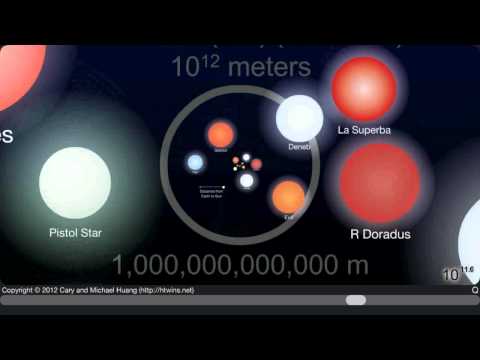
برای دریافت نیازهای ابزاری و شناخت ابعاد و مقیاس هایی که بدان ها پرداخته شده، نگاه کنید به:
http://htwins.net
relative reductionism
Lane, Nick. The Vital Question: Energy, Evolution, and the Origin of Complex Life. W. W. Norton & Company, 2016.
Nielsen, Susin. We Are all Made of Molecules. Wendy Lamb Books, 2015.
Harold, Franklin, M. In Search of Cell History: The Evolution of Life’s Building Blocks. University of Chicago Press, 2014.
Jacques, Elliott. The Life and Behavior of Living Organisms: A General Theory. Praeger, 2001.
Thomas, L. The Lives of a Cell. New York: Viking Press, 1974.
Brun, G. and McKane, l. and Karp, G. Biology: Exploring Life, 2nd Edition. New York: Wiley 1993.
Robert Hooke
Alberts, Bruce, and Hopkin, Karen, and Johnson, Alexander, D. and Morgan, David, and Raff, Martin, and Roberts, Keith, and Walter, Peter. Essential Cell Biology (Fifth Edition.) W. W. Norton & Company, 2019.
Chapman, Allan. England’s Leonardo: Robert Hooke and the Seventeenth Century Scientific Revolution. CRC Press, 2004.
Inwood, Stephen. The Forgotten Genius. MP Publishing Limited, 2010.
Micrographia
Hooke, Robert. Micrographia or Some Physiological Descriptions of Minute Bodies. Cosimo Classics, 2007.
Deamer, David, W. Assembling Life: How Can Life Begin on Earth and Other Habitable Planets? Oxford University Press, 2019.
Matthais Schleiden and Theodor Schwann
Schleiden, Matthais and Scultze, Max, and Theodor Schwann. Klassische Schriften zur Zellenlehre. Europa Lehrmittel Verlag, 2003.
cellular biology
Janson, Lee, W. and Tischler, Marc. Medical Biochemistry: The Big Picture. McGraw Hill Education, 2012.
Sewald, Norbert, and Jakubke, Hans-Dieter. Peptides: Chemistry and Biology. Wiley – VCH, 2009.
Guisan, Jose, M. Immobilization of Enzymes and Cells. Humana, 2013.
Lehninger, A.L. and Nelson, D.L. and Cox, M.M. Principles of Biochemistry, 2nd Edition. New York: Worth, 1993.
Yang, Ning, and Goping, Ing Swie. Apoptosis (Colloquium Building Blocks of the Cell: Cell Structure and Function.) Morgan & Claypool, 2013.
Toole, Glenn, and Toole, Susan. Biology in Context for Cambridge International A Level. Oxford University Press, 2017.
Flatt, Thamas, and Heyland, Andreas. Mechanisms of Life History Evolution: The Genetics and Physiology of Life History Traits and Trade-Offs. Oxford University Press, 2011.
Brodie, Bruce. Why Are We Here? The Story of the Origin, Evolution, and Future of Life on Our Planet. iUniverse, 2019.
Walde, Peter. Prebiotic Chemistry: From Simple Amphiphiles to Protocell Models. Springer, 2010.
Prokaryote with no specific internal structure
White, David, and Drummond, James, and Fuqua, Clay. The Physiology and Biochemistry of Prokaryotes. Oxford University Press, 2011.
Walker, Sara Imari, and Davies, Paul, C. W. and Ellis, George, F. R. From Matter to Life: Information and Causality. Cambridge University Press, 2017.
monera kingdom
Rosenberg, Eugene, and DeLong, Edward, F. and Lory, Stephen, and Stackebrandt, Erko, and Thompson, Fabiano. The Prokaryotes: Alphaproteobacteria and Betaproteobacteria. Springer, 2014.
Eukaryote with organelles
Myklos, David, and Nash, Bruce, and Hilgert, Uwe. Genome Science: A Practical and Conceptual Introduction to Molecular Genetic Analysis of Eukaryotes. Cold Spring Harbor Laboratory Press, 2014.
Hirt, Robert, P. and Horner, David, S. Organelles, Genomes and Eukaryote Phylogeny: An Evolutionary Synthesis in the Age of Genomics. CRC Press, 2019.
Keeling, Patrick, J. and Koonin, Eugene, V. Origin and Evolution of Eukaryotes. Cold Spring Harbor Laboratory Press, 2014.
Lodish, Harvey, and Berk, Arnold, and Kaiser, Chris, A. and Krieger, Monty, and Bretscher, Anthony, and Ploegh, Hidde, and Amon, Angelika, and Martin, Kelsey, C. Molecular Cell Biology (Eighth Edition. ) W. H. Freeman, 2016.
Deamer, David, W. Assembling Life: How Can Life Begin on Earth and Other Habitable Planets? Oxford University Press, 2019.
Chang, Raymond, and Goldsby, Kenneth. General Chemistry: The Essential Concepts. McGraw Hill Education, 2013.
Gray, Theodore, and Mann, Nick. Molecules: The Elements and the Architecture of Everything. Black Dog & Leventhal, 2018.
Campbell, Malcolm, A. and Paradise, Christopher, J. Evolution of Eukaryotes. Momentum Press, 2016.
Smith, Eric, and Morowitz, Harold, J. The Origin and Nature of Life on Earth: The Emergence of the Fourth Geosphere. Cambridge University Press, 2016.
Luisi, Pier Luigi. The Emergence of Life: From Chemical Origins to Synthetic Biology. Cambridge University Press, 2016.
Kuriyan, John, and Konforti, Boyana, and Wemmer, David. The Molecules of Life: Physical and Chemical Principles. Garland Science, 2012.
Walker, Sara Imari, and Davies, Paul, C. W. and Ellis, George, F. R. From Matter to Life: Information and Causality. Cambridge University Press, 2017.
eukaryotic cells
Starr, Cecie, and Taggart, Ralph, and Evert, Christine. Biology: The Unity and Diversity of Life. Cengage Learning, 2015.
Brown, J. M. M. and Jaros, G. G. Elementary Medical Biochemistry. Butterworth – Heinemann, 2013.
Hawking, Stephen, and Redmayne, Eddie. Brief Answers to the Big Questions. Random House Audio, 2018.
instruction manual
Penrose, Sir Roger, and Hameroff, Stuart, and Langer, Ellen, et al. Consciousness and the Universe. Science Publishers, 2017.
Wu, Jane. Post-Trascriptional Gene Regulation: RNA Processing in Eukaryotes. Wiley – Blackwell, 2013.
Abbott, Derek, and Davies, Paul, C. W. and Pati, Arun Kumar. Quantum Aspects of Life. I C P, 2008.
McFarland, Ben. A World from Dust: How the Periodic Table Shaped Life. Oxford University Press, 2016.
Mitochondria as miniature power plants
Lee, Know. Mitochondria and the Future of Medicine: The Key to Understanding Disease, Chronic Illnesses, Aging, and Life Itself. Chelsea Green Publishing, 2018.
Lane, N. Power, Sex, and Suicide: Mitochondria and the Meaning of Life. New York: Oxford University Press, 2005.
Capra, Fritjof, and Luisi, Pier Luigi. The Systems View of Life: A Unifying Vision. Cambridge University Press, 2016.
Scheffler, Immo, E. Mitochondria. Wiley – Liss, 2007.
Flatt, Thamos, and Heyland, Andreas. Mechanisms of Life History Evolution: The Genetics and Physiology of Life History Traits and Trade-Offs. Oxford University Press, 2011.
chloroplasts
Maliga, Pal. Chloroplast Biotechnology: Methods and Protocols (Methods in Molecular Biology.) Humana Press, 2014.
Maliga, Pal. Chloroplast Biotechnology: Methods and Protocols. Humana, 2014.
Alberts, Bruce, and Johnson, Alexander, D. and Lewis, Julian, and Morgan, David, and Raff, Martin, and Roberts, Keith, and Walter, Peter. Molecular Biology of the Cell. W. W. Norton & Company, 2014.
Raw Materials and Energy
Challoner, Jack. The Cell: A Visual Tour of the Building Block of Life. University of Chicago Press, 2015.
Cooper, Geoffrey. The Cell: A Molecular Approach. Sinauer Associates of Oxford University Press, 2018.
Receptors as the receiving and shipping departments
Buehler, Lukas. Cell Membranes. Garland Science, 2015.
Rippe, Karsten. Genome Organization and Function in the Cell Nucleus. Wiley – VCH, 2011.
Brucker, William, J. and Schapira, Kate, and Brucker, Brenna, and et al. Cellular Organelles: Legends of the Cells. Brucker Books, 2012.
Rebeiz, Constantin, A. and Benning, Christoph, and Bohnert, Hans, J. and Henry, Daniell, and Hoober, Kenneth, J. et al. The Chloroplast: Basics and applications (Advances in Photosynthesis and Respiration Book 31.) Springer, 2010.
Miniature Power Plants
Goodman, Steven, R. Medical Cell Biology. Academic Press, 2007.
Eukaryotic Cells evolved about 2 billion years after prokaryotic Cells
Reinert, J. Origin and Continuity of Cell Organelles. Springer, 2013.
Lehninger, A.L. and Nelson, D.L. and Cox, M.M. Principles of Biochemistry, 2nd Edition. New York: Worth, 1993.
https://drive.google.com/file/d/0Bw7EFXWJCSimYXoxenNZVm1TX00/view?ts=5844936e
Neurons and brain cells
impulses
Kuroiwa, Tsuneyoshi, and Miyagishima, Shinya, and Matsunaga, Sachihiro, and Sato, Naoki, and Nozaki, Hisayoshi, and Tanaka, Kan, and Misumi, Osami. Cyanidioschyzon Merolae: A New Model Eykaryote for Cell and Organelle Biology. Springer, 2018.
Perdiguero, Eusebio, and Cornelison, D. D. W. Muscle Stem Cells: Methods and Protocols. Humana Press, 2017.
Watts, Henry. A Dictionary of Chemistry and the Allied Branches of Other Sciences. Forgotten Books, 2018.
Gulati, Gene. Blood Cells: Morphology and Clinical Relevance. American Society of Clinical Oncology, 2014.
Bain, Barbara, J. A Biginner’s Guide to Blood Cells. Wiley – Blackwell, 2017.
Snedden, Robert. The Diversity of Life: From Single Cells to Multicellular Organisms. Heinemann, 2007.
Willibey, Holli. The Hollitown Theory of Multi- Cellular Organisms. Hollitown Press, 2018.
a fertilized egg
تغییر نیروی باور و عادت و اعتقاد در موجودی که هزاره ها برداشت های دینی و مذهبی داشته بسیار مشکل است. به گفته قدما “ترک عادت موجب مرض است.” در بیشتر موارد، این انسان ها به نوعی از عرفان خود انگارانه و معنویات گزینشی و تصوف کهن (با برداشتی تحت اللفظی از متن و نه در بستر تاریخی آن) روی می آورند و برای دریافت های امروزی علم مدرن (که با آن آشنا شده اند) و خود هیچ نقشی در آن نداشته اند، در متون معنوی و خرد کهن به دنبال ریشه یابی علمی می گردند! در واقع، آن نیروی عادت و باور پیشین دینی خود را این بار در عرفانی گزینشی و خود انگارانه به قالب میکشند. تعجب آور اینکه این انسان های (اغلب مذهبی سابق و سرخورده از دین کنونی و، حتی در مورد ما مسلمان ها، نمازخوان پیشین ) تحصیل کرده هم هستند!
Dawkins, Richard. Science in the Soul. Selected Writings of a Passionate Rationalist. Transworld Publishers, Penguin, 2018.
Goodheart, Clyde, R. Life’s Code: How DNA Says Who We Are. Best eWay Publications Inc., 2019.
Barresi, Michael, J. F. and Gilbert, Scott, F. Developmental Biology. Oxford University Press, 2019.
———————-
«مبادا…[۱]»
ر. رخشانی
مبادا
در هرچه هست
در دوستی های دیر، دوردست
در همآغوشی های مست،
مبادا
در مستی شراب
در توهم یا سراب
در تظاهر به خواب
یا نقشی بر آب
در پژواک آفتاب
در چشمه سارها یا کنار آب،
در خنده های او
در عطر گیسوان و مو،
مبادا
در کوهپایه ها
در گرمای نور
یا در سایه ها،
مبادا
در گنگی شبح وار یادها
یا در شروع بامدادها
در نفیر بادها
یا در وفور بیدادها،
مبادا که در زیر آسمان
یا در هر فضا که می گذرد سایه ی زمان
در اندوه بیکران
یا ژرفای کهکشان،
مبادا، مبادا
که عادت کنم به خاموشی
که راحت شود فراموشی.
———————————-
Rakhshani, R. Selected Poems. Craetespace, An Amazon.com Company, 2014.
—————————