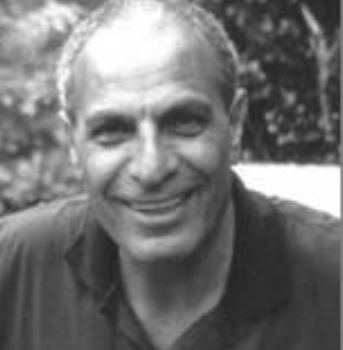
پروفسور داود غلام آزاد(*)
داوود غلام آزاد
ترجمه از آلمانی با کمک هوش مصنوعی
۱. پارادوکسِ دیاسپورای جمهوریخواه
جنبشِ دموکراتیکِ جمهوریخواهانِ ایرانی در خارج از کشور سرشار از تجربه، دانش و صداقتِ اخلاقی است، اما از حیثِ اثرگذاریِ جمعی، ضعیف و پراکنده مانده است. این ناتوانی، تصادفی نیست؛ بلکه بازتابِ بحرانی عمیقتر است: ناتوانی در تبدیلِ باور به همکاری، بینش به سازمان و ارزشهای مشترک به شکلِ مشترکِ کنش.
هر گروه استقلالِ خود را مینمایاند، هر جمع از خودمختاریاش پاسداری میکند، و هر شبکه از جذبشدن به دیگری بیم دارد. آنچه تنوع مینماید، اغلب پژواکی است از بیاعتمادیهای تاریخی، تصفیههای ایدئولوژیک و زخمهای عمیقِ تبعید.
بنابراین شکلدادنِ نیرویی مؤثر از این پراکندگی، تنها با هماهنگیِ اداری ممکن نیست. نخست باید بنیادِ نمادینِ همکاری بازسازی شود؛ یعنی همان افقِ معناییِ مشترکی که اعتماد، مسئولیت و داوریِ مستقل را بههم پیوند میدهد.
۲. از احساسِ مشترک تا شکلِ پایدار
بسیاری از ابتکارهای جمهوریخواهانِ تبعیدی شکست خوردهاند، زیرا هیجانِ اخلاقی را با پایداریِ نهادی اشتباه گرفتهاند. همدلیِ خودانگیخته میتواند نیرویی برای آغاز باشد، اما توانِ استمرار ندارد. بدونِ روشهای مشترک، ارتباطِ شفاف و تقسیمِ روشنِ مسئولیتها، همان الگوهای اقتدارگرایانه بازتولید میشود که قرار بود از میان برود.
سازمانِ جمهوریخواه، تنها هنگامی شایستهی نامِ خود است که اصولی را که موعظه میکند، در درونِ خود مجسّم سازد:
– گشودگیِ گفتوگو بهجای کنترلِ پیام،
– گردشِ مسئولیت بهجای رهبریِ کاریزماتیک،
– پاسخگویی از رهگذرِ شفافیت بهجای وفاداریِ شخصی،
– شایستگیمحوری بهجای نمایندگیِ نمادین.
این اصول نه تکنیکهای اداری، بلکه آموزشِ سیاسیاند: آنها به کنشگران میآموزند چگونه همچون شهروندان بیندیشند و عمل کنند؛ همان تجربهای که از آنان دریغ شده بود.
۳. پیششرطهای فرهنگیِ سازمان
سازمانِ جمهوریخواه از جاهطلبیِ قدرت پدید نمیآید، بلکه از دگرگونیِ فرهنگیِ همکاری زاده میشود. هماهنگی باید نه بهمثابهی اطاعت، بلکه همچون مشارکت در وظیفهای مشترک درک شود.
این امر مستلزمِ دستورِ زبانیِ تازه در اخلاقِ سیاسی است:
– جایگزینکردنِ بیاعتمادی با اعتماد،
– فهمِ اختلافنظر بهعنوانِ منبعی سازنده، نه تهدید،
– تمایزگذاشتن میانِ رهبریِ نمادین (هدایت و جهتدهی) و فرماندهیِ اقتدارگرایانه (تحمیلِ اطاعت).
به همین معنا میتوان گفت: سازمان، ضدِ آزادی نیست، بلکه صورتِ اجراییِ آن است. آنجا که همکاری به عادتِ درونی بدل شود، توانِ سیاسی زاده میشود.
۴. نقشِ راهبردیِ دیاسپورا
دیاسپورای ایرانی در موقعیتی ویژه قرار دارد: بیرون از کنترلِ رژیم، اما درونِ جوامعی که تنوع، شفافیت و یادگیریِ نهادی را زندگی میکنند.
اگر این تجربهها فردی باقی بمانند، بهتدریج در فرایندِ جذب محو میشوند. اما اگر بهگونهای جمعی بازتاب یابند، میتوانند به میدانِ تمرینِ فرهنگِ جمهوریخواهی بدل شوند – آزمایشگاهی برای پرورشِ یادگیریِ دموکراتیک.
وظیفهی دیاسپورا این نیست که «بهجای مردمِ ایران سخن بگوید»، بلکه باید توانِ نهادی پدید آورد که روزی برای بازسازیِ جمهوری ضروری خواهد بود. اعتبارِ آن، نه از شعارهای تند، بلکه از تجسمِ عملیِ دموکراسی ناشی میشود.
بدینسان، دیاسپورا میتواند به کارگاهِ فرهنگیِ سازمانیافتگیِ جمهوریخواهانه بدل شود – فضایی که در آن شیوههای همکاری، نمایندگی و ارتباط، آزموده، اصلاح و نهادینه میشوند.
۵. از شبکه تا نهاد
برای آنکه جنبشِ جمهوریخواه در تبعید اثرگذار شود، باید از پیوندهای پراکندهی شبکهای به سوی ساختارهای نهادیِ پایدار حرکت کند – ساختارهایی که شفاف، ماندگار و از نظرِ نمادین منسجم باشند.
سه سطحِ مکمل برای این گذار ضروری است:
۱) سطحِ تأملی – عرصهی آموزش، گفتوگو و آگاهیِ جمعی که در آن خردِ دموکراتیک و مسئولیتپذیری تمرین میشود.
۲) سطحِ هماهنگکننده – ایجادِ سازوکارهای اقدامِ مشترک (بیانیهها، پژوهش، ارتباطات عمومی) بدونِ حذفِ کثرت.
۳) سطحِ نمایندگی – پدیدآوردنِ صدایی معتبر در برابرِ نهادهای بینالمللی بر پایهی مأموریتها و روندهای شفاف.
بدین ترتیب، تعادلی میانِ خودمختاری و وحدت، میانِ بحث و تصمیم پدید میآید – همان توازنی که شرطِ حیاتِ سیاستِ جمهوریخواهانه است.
۶. وحدتِ نمادین و آیندهی جمهوری
هیچ سازمانی در تبعید نمیتواند جای مبارزهی مردم در درونِ کشور را بگیرد. اما بدونِ نیرویی جمهوریخواهِ منسجم در بیرون، آن مبارزه نیز از آینهی دموکراتیکی محروم میماند که اعتبارِ آن را در جهان بازتاب دهد.
ازاینرو، گامِ تعیینکننده همبستگیِ نمادین است: آفرینشِ روایتی مشترک که جریانهای گوناگونِ جمهوریخواه را در قالبِ رسالتی تاریخی بههم پیوند دهد – بازسازیِ کرامتِ مدنیِ ایران.
وقتی این وحدتِ نمادین تحقق یابد، وحدتِ سازمانی نه بهفرمان، بلکه بهمثابهی نتیجه پدید میآید. در آن صورت، جمهوریخواهی از پراکندگیِ گفتمانی فراتر میرود و به آنچه همواره میخواست بدل میشود: جنبشی از شهروندانِ مسئول که از راهِ تمرینِ اخلاقیِ همکاری، بنیادِ آیندهای آزاد را میگذارند.
واژهنامه
دیاسپورای جمهوریخواه: جامعهی ایرانیانِ دموکرات در خارج از کشور که خواهانِ استقرارِ جمهوریِ سکولار و پارلمانی بهعنوانِ بدیلی اخلاقی و سیاسی در برابرِ نظامهای اقتدارگرا هستند.
بنیادِ نمادینِ همکاری: چارچوبِ معناییِ مشترکی که امکانِ همکاریِ آزادانه و بدونِ وابستگیِ شخصی را فراهم میکند.
تداومِ نهادی: توانِ یک سازمان برای حفظِ پایداری، شفافیت و مسئولیتپذیری در گذرِ زمان، مستقل از اشخاص یا رهبریهای کاریزماتیک.
دگرگونیِ فرهنگیِ همکاری: فرآیندی که در آن همکاری از یک ائتلافِ شکنندهی مصلحتی به عادتی اعتمادآمیز و پایدار بدل میشود.
سطحِ تأملی: عرصهی آموزش و خودآگاهی که در آن ارزشها و مهارتهای دموکراتیک در عمل تمرین میشوند.
همبستگیِ نمادین: فرآیندِ ساختِ روایت و هویتی مشترک که گروههای پراکنده را به نیرویی جمهوریخواهِ یکپارچه پیوند میدهد.
هانوفر، اکتبر ۲۰۲۵
https://gholamasad.jimdofree.com/kontakt/
(*) داود غلام آزاد پروفسور باز نشسته رشته جامعه شناسی در دانشگاه هانوفر آلمان است. از ایشان نوشته ها و کتب متعددی در زمینه مشکلات دموکراسی در ایران موجود میباشد.
متن آلمانی نوشته:
Aufbau einer republikanischen Kraft im Exil – Organisatorische Voraussetzungen einer wirksamen demokratischen Alternative
- Das Paradox der republikanischen Diaspora
Die demokratisch-republikanische Bewegung unter Iranerinnen und Iranern im Ausland verfügt über ein enormes Potenzial an Erfahrung, Wissen und moralischer Integrität – doch ihre politische Wirkung bleibt relativ begrenzt.
Diese Diskrepanz ist kein Zufall, sondern Ausdruck einer tieferliegenden kulturellen Krise: der Unfähigkeit, Überzeugungen in dauerhafte Kooperation, Einsicht in Organisation und gemeinsame Werte in eine gemeinsame Form zu überführen.
Jede Gruppe betont ihre Eigenständigkeit, jede Initiative schützt ihre Autonomie, jedes Netzwerk misstraut dem anderen. Was nach Vielfalt aussieht, ist oft das Echo jahrzehntelanger Enttäuschung, ideologischer Spaltungen und verletzter Zugehörigkeiten.
Wer aus dieser Zersplitterung eine wirkungsmächtige Kraft formen will, braucht mehr als organisatorische Koordination. Er muss die symbolische Grundlage von Zusammenarbeit erneuern – jene gemeinsame Bedeutungsordnung, in der Vertrauen, Verantwortung und Urteilskraft miteinander verbunden sind.
- Vom geteilten Gefühl zur dauerhaften Form
Viele Initiativen im Exil scheitern, weil sie moralische Begeisterung mit institutioneller Stabilität verwechseln.
Spontane Solidarität kann politische Mobilisierung auslösen, aber sie kann sie nicht tragen.
Ohne gemeinsame Verfahren, transparente Kommunikation und klar geregelte Verantwortlichkeiten reproduzieren sich dieselben autoritären Muster, gegen die man eigentlich kämpft.
Eine republikanische Organisation verdient ihren Namen nur, wenn sie jene Prinzipien verkörpert, die sie selbst einfordert:
- Offene Kommunikation statt kontrollierter Botschaften,
- Rotation der Verantwortung statt charismatischer Führerschaft,
- Rechenschaft durch Transparenz statt Loyalität gegenüber Personen,
- Kompetenzorientierung statt symbolischer Repräsentation.
Solche Prinzipien sind keine Verwaltungstechnik, sondern politische Pädagogik: Sie lehren die Beteiligten, was es heißt, als Bürger zu handeln – in einer Welt, die ihnen diese Erfahrung lange verweigert hat.
- Die kulturellen Voraussetzungen von Organisation
Eine funktionierende republikanische Organisation entsteht nicht aus Machtstreben, sondern aus einem neuen kulturellen Verständnis von Kooperation.
Koordination darf nicht als Unterordnung missverstanden werden, sondern als Beitrag zur gemeinsamen Aufgabe.
Dazu gehört eine neue moralische Grammatik:
- Misstrauen durch Vertrauen ersetzen,
- Meinungsverschiedenheiten als Ressource begreifen statt als Bedrohung,
- zwischen symbolischer Führung (Orientierung) und autoritärem Befehl (Gehorsam) unterscheiden lernen.
In diesem Sinn gilt: Organisation ist nicht der Gegensatz von Freiheit, sondern ihre Funktionsform.
Nur wenn Zusammenarbeit zur Gewohnheit wird, kann politische Handlungskraft entstehen.
- Die strategische Rolle der Diaspora
Die iranische Diaspora nimmt eine einzigartige Position ein: Sie lebt jenseits der Kontrolle des Regimes, aber innerhalb demokratischer Gesellschaften, die Vielfalt, Transparenz und institutionelles Lernen praktizieren.
Wenn diese Erfahrungen individuell bleiben, gehen sie verloren.
Wenn sie jedoch gemeinschaftlich reflektiert werden, kann die Diaspora zu einem Übungsfeld republikanischer Kultur werden – zu einem Labor demokratischer Lernprozesse.
Ihre Aufgabe besteht nicht darin, „im Namen des iranischen Volkes“ zu sprechen, sondern institutionelle Kompetenz aufzubauen, die eines Tages für den Wiederaufbau einer Republik unverzichtbar sein wird.
Ihre Glaubwürdigkeit bemisst sich nicht an radikaler Rhetorik, sondern an der Verkörperung demokratischer Praxis.
Die Diaspora kann so zu einem kulturellen Labor republikanischer Organisation werden – einem Raum, in dem Formen der Kooperation, Repräsentation und Kommunikation erprobt, korrigiert und weiterentwickelt werden.
- Vom Netzwerk zur Institution
Damit die republikanische Bewegung im Ausland Wirkung entfalten kann, muss sie den Schritt von lose verknüpften Netzwerken zu institutionellen Strukturen vollziehen – mit Kontinuität, Transparenz und symbolischer Kohärenz.
Drei komplementäre Ebenen sind dafür entscheidend:
- Die reflexive Ebene – Orte des Lernens und der Selbstaufklärung, in denen demokratische Urteilskraft und Verantwortung praktisch geübt werden.
- Die koordinative Ebene – gemeinsame Handlungsmechanismen (z. B. Erklärungen, Öffentlichkeitsarbeit, Forschung), die Pluralität nicht unterdrücken, sondern strukturieren.
- Die repräsentative Ebene – eine legitime Stimme gegenüber internationalen Institutionen, getragen von klaren Mandaten und nachvollziehbaren Verfahren.
So entsteht jene Balance von Autonomie und Einheit, die republikanische Politik überhaupt erst lebensfähig macht.
- Symbolische Einheit und Zukunft der Republik
Keine Organisation im Ausland kann den Freiheitskampf im Inneren ersetzen.
Aber ohne eine kohärente republikanische Kraft außerhalb Irans fehlt diesem Kampf ein glaubwürdiger demokratischer Spiegel.
Entscheidend ist daher die symbolische Integration: die Entstehung eines gemeinsamen Narrativs, das es den verschiedenen republikanischen Initiativen ermöglicht, sich als Teile einer historischen Aufgabe zu begreifen – der kulturellen Wiedergewinnung der bürgerlichen Würde Irans.
Wenn diese symbolische Einheit gelingt, folgt organisatorische Einheit nicht als Befehl, sondern als Konsequenz.
Dann hört die republikanische Idee auf, bloßes Diskursfragment zu sein, und wird das, was sie immer sein sollte:
eine Bewegung verantwortlicher Bürger, die durch die moralische Praxis der Zusammenarbeit die Grundlage einer freien Zukunft legt.
Glossar
|
Begriff |
Erklärung |
|
Republikanische Diaspora |
Gemeinschaft iranischer Demokrat:innen im Ausland, die eine säkulare, parlamentarische Republik als politische und moralische Alternative zur autoritären Herrschaft anstreben. |
|
Symbolische Grundlage von Zusammenarbeit |
Gemeinsamer Bedeutungsrahmen, der Kooperation ohne Zwang oder persönliche Gefolgschaft ermöglicht. |
|
Institutionelle Kontinuität |
Fähigkeit einer Organisation, jenseits individueller Netzwerke oder charismatischer Führung dauerhaft handlungsfähig und transparent zu bleiben. |
|
Kulturelle Transformation von Kooperation |
Prozess, durch den Zusammenarbeit zu einer vertrauensbasierten Gewohnheit wird statt zu einer brüchigen Zweckallianz. |
|
Reflexive Ebene |
Sphäre der Bildung, Selbstreflexion und öffentlichen Aufklärung, in der demokratische Haltungen praktisch eingeübt werden. |
|
Symbolische Integration |
Prozess der Herstellung einer gemeinsamen Erzählung, die verschiedene Initiativen zu einer kohärenten republikanischen Kraft verbindet. |
Hannover, 26.102025
https://gholamasad.jimdofree.com/kontakt/
متن انگلیسی نوشته
Building a Republican Force in Exile – Organizational Preconditions for an Effective Democratic Alternative
- The Paradox of the Republican Diaspora
The democratic republican movement among Iranians abroad is rich in experience, talent, and moral commitment — yet poor in collective impact.
Its fragmentation mirrors the deeper symbolic crisis of the Iranian political culture: the inability to translate conviction into cooperation, insight into organization, and shared values into a shared form.
Every group declares its independence; every initiative guards its autonomy; every network fears absorption. What appears as diversity often conceals mutual distrust — the legacy of decades of ideological purges, sectarian rhetoric, and the deep wounds of exile.
To build an effective republican force, therefore, requires more than coordination or coalition. It demands a new symbolic foundation of cooperation — one that can transform moral agreement into structural endurance.
- From Shared Sentiment to Organizational Form
The failure of most exile initiatives stems from a confusion between spontaneous solidarity and sustainable organization.
Moral enthusiasm, however genuine, cannot substitute for institutional continuity.
Without shared procedures, transparent communication, and self-limiting power structures, every movement reproduces the authoritarian reflexes it claims to overcome.
A republican organization worthy of its name must therefore embody the very principles it promotes:
- Openness of communication, not controlled messaging.
- Rotational leadership, not charismatic authority.
- Accountability through transparency, not loyalty to personalities.
- Competence-based responsibility, not symbolic representation.
Such principles are not administrative details but political pedagogy: they teach members how to act as citizens in a world that has long denied them citizenship.
- The Cultural Preconditions of Organization
A successful republican organization cannot emerge from power ambition alone.
It requires a cultural transformation of cooperation — the ability to see coordination not as submission but as contribution.
This, in turn, presupposes a new moral grammar:
- replacing the language of suspicion with the language of trust;
- viewing disagreement as a resource rather than a threat;
- learning to distinguish between symbolic leadership (providing orientation) and authoritarian control (demanding obedience).
In short: organization is not the opposite of freedom; it is its operational form.
Only when the culture of cooperation becomes a habit can political action become effective.
- The Strategic Role of the Diaspora
The Iranian diaspora occupies a unique position. It lives outside the regime’s control but within democratic societies that model pluralism, transparency, and institutional learning.
If these experiences remain individual, they will fade into assimilation.
If they are collectively reflected, however, they can serve as the training ground of a future civic culture — a rehearsal space for a democratic Iran.
The task of the diaspora is not to “speak for” the people inside Iran, but to develop the institutional competence that will one day be needed to rebuild the republic. Its credibility depends not on rhetorical radicalism, but on its capacity to embody democratic practice.
Thus, the diaspora should be seen as a laboratory of republican organization — a field where methods of cooperation, representation, and communication are tested, refined, and made transferable.
- From Networks to Institutions
To become effective, the republican diaspora must evolve from ad hoc networks into institutional frameworks with continuity, transparency, and symbolic coherence.
Three complementary levels are essential:
- The Reflective Level – creating spaces for collective learning, training, and public education, where civic competence and ethical responsibility are cultivated.
- The Coordinative Level – establishing mechanisms for shared action (joint statements, advocacy, research) without suppressing internal plurality.
- The Representative Level – developing a legitimate voice toward international institutions, based on clear mandates and transparent procedures.
This tripartite structure allows for both autonomy and unity, both debate and decision — the very balance that defines republican politics.
- Symbolic Unity and the Future of the Republic
No organization can substitute for the people’s struggle inside Iran.
But without a coherent republican force abroad, that struggle will lack an international mirror of democratic maturity.
The decisive step is therefore symbolic integration: creating a shared narrative that allows diverse republican initiatives to recognize themselves as parts of one historical task — the cultural reconstruction of Iran’s civic dignity.
Once this symbolic unity is achieved, organizational unity will follow not as decree but as consequence.
The republican project will then cease to be a scattered discourse and become what it was meant to be:
a movement of responsible citizens, building a free future through the moral practice of cooperation.
Glossary
|
Term |
Explanation |
|
Republican Diaspora |
The community of Iranian democrats abroad who seek to promote a secular, parliamentary republic as a political and moral alternative to authoritarian rule. |
|
Symbolic Foundation of Cooperation |
The shared moral and cultural framework that enables individuals to cooperate without coercion or personal allegiance. |
|
Institutional Continuity |
The ability of an organization to maintain stability and transparency over time, beyond personal networks or charismatic leadership. |
|
Cultural Transformation of Cooperation |
The process by which collective action becomes a habitual, trust-based practice rather than a fragile alliance of egos. |
|
Reflective Level |
The sphere of education, dialogue, and self-understanding within which members internalize democratic norms. |
|
Symbolic Integration |
The process of forming a shared identity and narrative that binds diverse initiatives into a coherent republican force. |
Hannover, 2 6.10. 2025
https://gholamasad.jimdofree.com/kontakt/
 به کانال تلگرام سایت ملیون ایران بپیوندید