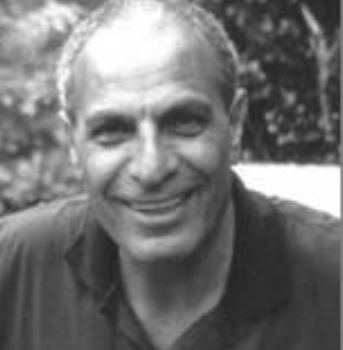
پروفسور داود غلام آزاد(*)
ترجمه از آلمانی با کمک هوش مصنوعی
الیاس · پیاژه · ویتگنشتاین · آستین · لیکاف · وهلینگ
- مقدمه: سندی که جامعهٔ خود را میخواند
وقتی جامعهای پس از دههها دیکتاتوری میکوشد نظمی دموکراتیک بنا کند، شیوهای که این تلاش را توصیف و برنامهریزی میکند، بیش از هر تحلیل سیاسی بیرونی، وضعیت واقعی آن جامعه را آشکار میسازد. چنین اسنادی صرفاً نقشهٔ راه بیطرف نیستند، بلکه «واقعیتهای اجتماعی»اند که در ساختارهای شناختی، زبانی و عادتوارهایِ نویسندگان خود ریشه دارند.
از این منظر، آنچه به نام «جزوهٔ مرحلهٔ اضطراری» از سوی پروژهٔ شکوفایی ایران، تحت رهبری رضا پهلوی در تابستان ۲۰۲۵ منتشر و در فوریه ۲۰۲۶ بازبینی شد، سندی بسیار روشنگر است—نه بهخاطر وعدههایش، بلکه بهخاطر آنچه ناخواسته فاش میکند.
این سند «اثر تأخیر هابیتوس اجتماعی» را آشکار میکند؛ همان اینرسیِ الگوهای عمیقاً درونیشدهٔ تفکر و رفتار که نوربرت الیاس آن را مانع اصلی هر تحول سریع اجتماعی میدانست. این جزوه میخواهد از دموکراسی سخن بگوید، اما در منطق خود به سلطه میاندیشد؛ میخواهد عدالت انتقالی را وعده دهد، اما به مصونیت از مجازات میانجامد؛ میخواهد پلورالیسم را اعلام کند، اما قدرت را در یک فرد متمرکز میسازد.
این امر نه از سوءنیت، بلکه از آن روست که نویسندگان آن—همچون همهٔ کنشگران در تاریخهای طولانی سلطه—جهان را جز در قالبهایی که آموختهاند، نمیتوانند تصور کنند.
- اثر تأخیر هابیتوس اجتماعی
- منظور الیاس
نوربرت الیاس نشان داد که ساختارهای اجتماعی با سرعتی متفاوت از ساختارهای آگاهی انسانها تغییر میکنند. این ناهمزمانی همان «اثر تأخیر» است.
«هابیتوس» مجموعهای از الگوهای درونیشدهٔ ادراک، اندیشه و رفتار است که نه از طریق آموزش آگاهانه، بلکه از طریق تجربهٔ طولانی اجتماعی شکل میگیرد. این الگوها عمیقتر از عقاید هستند و حتی تعیین میکنند چه چیزهایی قابل اندیشیدن به نظر میرسند.
در نتیجه، حتی اگر انقلاب سیاسی ساختارهای بیرونی را تغییر دهد، هابیتوس اجتماعی فوراً دگرگون نمیشود. الگوهای قدیمی—از جمله ذهنیتهای اقتدارگرایانه و تمایل به اطاعت—ادامه مییابند.
در مورد ایران، این اثر تأخیر بسیار شدید است. جمهوری اسلامی بر ساختارهایی بنا شده که پیش از آن وجود داشتند: پدرسالاری، تمرکز قدرت، بیاعتمادی اجتماعی و انتظار نجات از یک رهبر قوی. این الگوها نهتنها توسط حکومت بازتولید شدهاند، بلکه—همانطور که این جزوه نشان میدهد—در مخالفان آن نیز ناخودآگاه بازتولید میشوند.
- جزوه بهعنوان نشانه
نویسندگان جزوه نیت دموکراتیک دارند، اما متن نشان میدهد که همچنان در چارچوب همان هابیتوس میاندیشند.
بارزترین نشانه، ساختن یک «مرجع رهبری مطلق» است: رضا پهلوی بهعنوان «رهبر قیام ملی» معرفی میشود، فردی که قدرت تعیین و عزل نهادها را دارد و حتی میتواند با فرمان، قانون اساسی را لغو کند.
این ساختار، علیرغم ظاهر دموکراتیک، در واقع نوعی نظام فردمحور است—مشابه الگوی آغازین جمهوری اسلامی.
III. غلبهٔ همانندسازی بر انطباق (پیاژه)
پیاژه میان دو فرآیند تمایز قائل میشود:
- همانندسازی (Assimilation): ادغام امر جدید در قالبهای قدیمی
- انطباق (Accommodation): تغییر قالبهای ذهنی برای پذیرش امر جدید
جزوه نمونهای از غلبهٔ همانندسازی است: مفهوم دموکراسی در قالب قدیمی «رهبری متمرکز» جای داده شده است. دموکراسی نه بهعنوان فرآیندی مشارکتی، بلکه بهعنوان «هدیهای از سوی رهبر» تصور میشود.
در حالی که انطباق واقعی مستلزم تغییر بنیادین این الگوهاست:
- قدرت باید از ابتدا تقسیم شود
- مشروعیت از مشارکت جمعی بیاید
- اقلیتها بهعنوان شریک سیاسی شناخته شوند
- زبان اطاعت: ویتگنشتاین
ویتگنشتاین نشان میدهد که معنای واژهها در کاربردشان نهفته است.
جزوه از واژگان دموکراتیک استفاده میکند (انتخابات، حقوق بشر، تفکیک قوا)، اما در «بازی زبانی» اقتدارگرایانه به کار میبرد.
مثلاً:
- «رهبر قیام ملی» → مفهومی غیر دموکراتیک
- «فرمان» → ابزار حاکم مطلق
بنابراین، زبان دموکراتیک، در ساختاری غیردموکراتیک به کار رفته است.
- قدرت نامگذاری: نظریهٔ کنش گفتاری آستین
برخی جملات فقط توصیف نمیکنند، بلکه واقعیت میسازند.
نامیدن رضا پهلوی بهعنوان «رهبر قیام» تلاشی است برای ایجاد این واقعیت از طریق زبان.
اما این کنش گفتاری «موفق» نیست، زیرا:
- مشروعیت اجتماعی ندارد
- چارچوب نهادی لازم وجود ندارد
- اجماع عمومی شکل نگرفته است
با این حال، حتی کنش ناموفق هم میتواند میدان سیاست را شکل دهد.
- چارچوبهای ذهنی (لیکاف و وهلینگ)
زبان سیاسی چارچوبهای ذهنی را فعال میکند.
جزوه از چند «فریم» مهم استفاده میکند:
- وضعیت اضطراری → توجیه تمرکز قدرت
- قیام ملی → نیاز به رهبر
- یکپارچگی ملی → تضعیف مطالبات اقلیتها
- ادغام حداکثری → جایگزینی عدالت با مصالحه
این چارچوبها ناخودآگاه ذهن مخاطب را به سمت پذیرش الگوهای اقتدارگرایانه سوق میدهند.
VII. نگاه الیاس: فرایند و وابستگی متقابل
الیاس تأکید میکند که تحولات اجتماعی حاصل شبکهای از وابستگیهاست، نه تصمیم یک فرد.
اما جزوه، گذار را مانند یک پروژهٔ مدیریتی از بالا به پایین میبیند. این نگاه سادهانگارانه است و ماهیت واقعی دموکراتیزاسیون را نادیده میگیرد.
VIII. نتیجهگیری
این جزوه سندی است که نشان میدهد چگونه زبان دموکراتیک میتواند در خدمت ساختارهای اقتدارگرایانه قرار گیرد.
مشکل اصلی نه نیت، بلکه «هابیتوس» است—ساختاری ذهنی و اجتماعی که حتی مخالفان استبداد را نیز تحت تأثیر قرار میدهد.
وظیفهٔ اصلی، نه صرفاً طراحی بهتر، بلکه تغییر در الگوهای فکری (انطباق) است:
- بازاندیشی در مفهوم قدرت
- پذیرش واقعی مشارکت
- تغییر زبان و چارچوبهای ذهنی
دموکراسی یک لحظه یا فرمان نیست، بلکه فرآیندی طولانیمدت است که تنها با تغییر در شیوهٔ اندیشیدن و عمل کردن امکانپذیر میشود.
هانوفر 20 مارس 2026
Hannover, 20. März 2026
https://gholamasad.jimdofree.com/kontakt/
(*) داود غلام آزاد پروفسور بازنشسته رشته جامعه شناسی در دانشگاه هانوفر آلمان است. از ایشان نوشته ها و کتب متعددی در زمینه مشکلات دموکراسی در ایران موجود میباشد.
متن آلمانی نوشته:
Das Übergangs-Booklet der Pahlavisten
als Dokumentation des Nachhinkeffektes des sozialen Habitus
───
Elias · Piaget · Wittgenstein · Austin · Lakoff · Wehling
Dawud Gholamasad
I. Einleitung: Ein Dokument liest seine eigene Gesellschaft
Wenn eine Gesellschaft nach jahrzehntelanger Diktatur den Versuch unternimmt, eine demokratische Ordnung zu errichten, dann verrät die Art, wie sie diesen Versuch beschreibt und plant, mehr über ihren tatsächlichen Zustand als jede politische Analyse von außen. Dokumente dieser Art sind keine neutralen Fahrpläne. Sie sind soziale Tatsachen, eingebettet in die kognitiven, sprachlichen und habituellen Strukturen derjenigen, die sie verfasst haben. In diesem Sinne ist das sogenannte „Emergency Phase Booklet” des Iran Prosperity Project, das unter der Führung Reza Pahlavis im Sommer 2025 veröffentlicht und im Februar 2026 überarbeitet wurde, ein außergewöhnlich aufschlussreiches Dokument — nicht wegen dem, was es verspricht, sondern wegen dem, was es unwillentlich preisgibt.
Was das Booklet preisgibt, ist der Nachhinkeffekt des sozialen Habitus — jene Trägheit der tiefverinnerlichten gesellschaftlichen Denk- und Verhaltensstrukturen, die Norbert Elias als zentrales Hindernis jedes raschen gesellschaftlichen Wandels identifiziert hat. Das Booklet will Demokratie ankündigen, aber es denkt Herrschaft. Es will Übergangsgerechtigkeit versprechen, aber es konstruiert Straflosigkeit. Es will Pluralismus proklamieren, aber es zentralisiert Macht in einer einzigen Person. Und es tut all das nicht aus bösem Willen, sondern weil seine Verfasser — wie alle Akteure in einer langen Herrschaftsgeschichte — die Welt nicht anders denken können, als sie sie gelernt haben zu denken.
Diese Analyse unternimmt es, das Booklet mit dem Instrumentarium der Figurationssoziologie Norbert Elias’, der kognitiv-genetischen Entwicklungstheorie Jean Piagets, der Sprachphilosophie Ludwig Wittgensteins, der Sprechakttheorie John Langshaw Austins sowie der kognitiven Linguistik George Lakoffs und Elisabeth Wehlings zu lesen. Kein Begriff aus diesen Theoriegebäuden wird dabei vorausgesetzt — jeder wird dort erklärt, wo er gebraucht wird. Das Ziel dieser Untersuchung ist nicht akademischer Natur, sondern politisch-pädagogisch: Sie richtet sich an demokratische Oppositionsaktivistinnen und -aktivisten, die verstehen wollen, warum der Weg zur Demokratie so viel schwieriger ist, als das Stürzen eines Regimes.
II. Der Nachhinkeffekt des sozialen Habitus
1. Was Elias meint
Norbert Elias, der deutsch-britische Soziologe, hat in seinem Lebenswerk eine entscheidende Beobachtung in den Mittelpunkt gestellt: Gesellschaftliche Strukturen verändern sich in einem anderen Tempo als die Bewusstsein-strukturen der Menschen, die in diesen Gesellschaften leben. Die Folgen dieser Ungleichzeitigkeit der Entwicklung nennt Elias den Nachhinkeffekt des sozialen Habitus. Mit „Habitus” meint Elias — ähnlich wie später Pierre Bourdieu — die Gesamtheit der tief einverleibten Wahrnehmungs-, Denk- und Verhaltensmuster eines Menschen, die er nicht durch bewusstes Lernen, sondern durch jahrzehntelange Einübung im sozialen Alltag erworben hat. Diese Muster sitzen tiefer als Meinungen und Überzeugungen — sie strukturieren, welche Meinungen überhaupt als denkbar erscheinen.
Wenn nun eine politische Revolution eine Gesellschaft äußerlich umgestaltet — neue Gesetze, neue Institutionen, neue Herrschaftsformen — dann verändert sich der soziale Habitus der Bevölkerung nicht automatisch mit. Er hinkt nach. Die alten Denkmuster, die autoritären Wahrnehmungsweisen, die Unterwerfungsreflexe und Machtfantasien, die sich über Generationen hinweg eingraviert haben, bleiben zunächst bestehen, auch wenn sich die äußere Struktur längst gewandelt hat. Diese Diskrepanz zwischen institutionellem Wandel und habituellem Beharren ist nach Elias die tiefste „Ursache“ dafür, dass Revolutionen so häufig scheitern, dass neue Regime die alten Züge annehmen und dass Demokratisierungsprozesse viel länger dauern, als ihre Protagonisten erhoffen.
Für den iranischen Fall ist dieser Nachhinkeffekt besonders ausgeprägt. Die Islamische Republik hat nicht auf einem leeren Feld gebaut. Sie hat sich in Strukturen eingenistet, die weit älter sind als sie selbst: patriarchalische Herrschaftsformen, zentralstaatliche Allmacht, ein kulturell verwurzeltes Misstrauen gegenüber dem Anderen, der habituell eingeübte Reflex, Rettung von einer starken Führungsfigur zu erwarten statt, gemeinsam demokratische Spielregeln auszuhandeln. Diese Strukturen wurden von der Islamischen Republik nicht erfunden — sie wurden von ihr geerbt, intensiviert und reproduziert. Und sie werden, wie das Booklet zeigt, unbewusst auch von denen reproduziert, die sich als ihre entschiedensten Gegner verstehen.
2. Das Booklet als Symptom
Die Verfasser des Booklets haben über Jahrzehnte unter und gegen die Islamische Republik gelebt. Sie haben ihre Freiheit, oft ihre Heimat, manchmal ihr Leben riskiert. Ihre demokratischen Absichten sind nicht zu bezweifeln. Und dennoch: Das Dokument trägt auf jeder Seite die Fingerabdrücke des Habitus, den zu überwinden es vorgibt.
Der deutlichste Fingerabdruck ist die Konstruktion einer absoluten Führungsinstanz. Reza Pahlavi wird im Booklet als „Anführer des nationalen Aufstands” bezeichnet — eine Rolle, die nicht zeremoniell ist. Er ernennt und entlässt die Spitzen aller drei Übergangsgewalten. Er erlässt Dekrete, die die Verfassung der Islamischen Republik aufheben. Er bestimmt, welche Gesetze bleiben und welche fallen. Die institutionelle Trias aus legislativer, exekutiver und judikativer Übergangsgewalt — auf dem Papier eine demokratische Gewaltenteilung — konvergiert in seiner Person. Das ist nicht die Struktur einer demokratischen Transition. Das ist die Struktur eines Personenregimes mit demokratischer Legitimationsrhetorik. Und es ist strukturell identisch mit dem, was die Islamische Republik in ihrer eigenen Gründungsphase errichtet hat: eine temporäre Ausnahmesituation, die zur dauerhaften Normalität wird.
Hier zeigt sich der Nachhinkeffekt in seiner präzisesten Form. Die kognitive und habituelle Unfähigkeit, Herrschaft anders zu denken als durch eine zentrale Führungsfigur, führt dazu, dass selbst ein Projekt, das Demokratie zum Ziel hat, Autoritarismus als Mittel wählt — und dies als pragmatisch, unvermeidlich, ja als Ausdruck von Verantwortung darstellt.
III. Die Verschiebung der Balance: Assimilation statt Akkommodation
1. Piagets Schlüsselunterscheidung
Jean Piaget, der Schweizer Entwicklungspsychologe, hat im Laufe seines Lebens eine Theorie entwickelt, die weit über die Kindheitsforschung hinausweist: die Schematheorie. Ein Schema ist im Sinne Piagets eine kognitive Struktur, ein eingraviertes Muster des Wahrnehmens, Denkens und Handelns. Wir alle verfügen über solche Schemata, und wir begegnen der Welt stets durch diese Muster hindurch.
Wenn wir auf etwas Neues stoßen, haben wir zwei grundlegende Reaktionsmöglichkeiten. Die erste — Piaget nennt sie Assimilation — besteht darin, das Neue in die bereits vorhandenen Schemata einzuordnen. Das Neue wird sozusagen domestiziert: Es verliert seine Fremdheit, weil es in vertraute Kategorien gezwungen wird. Die zweite Reaktionsmöglichkeit — die Akkommodation — ist mühsamer und beunruhigender: Angesichts des wirklich Neuen, das sich nicht in die alten Muster fügt, muss das Schema selbst verändert werden. Die kognitive Struktur passt sich an die neue Wirklichkeit an, anstatt die Wirklichkeit an die alte Struktur anzupassen.
Gesundes Lernen — auf der Ebene des Individuums wie der Gesellschaft — erfordert eine Balance zwischen beiden Prozessen. Ohne Assimilation gibt es keine Stabilität des Denkens. Ohne Akkommodation gibt es kein echtes Lernen, kein Wachstum, keine Fähigkeit, mit wirklich Neuem umzugehen. Wenn die Balance gestört ist — wenn ein Subjekt oder ein Kollektiv nahezu ausschließlich auf Assimilation zurückgreift und Akkommodation systematisch vermeidet — dann ist das das kognitive Kennzeichen des Stagnierens, des Festhaltens an überholten Mustern angesichts einer Welt, die andere Reaktionen erfordern würde.
2. Assimilation im Booklet: Das Neue wird erzwungen ins Alte
Das Booklet des Iran Prosperity Project bietet ein Lehrbuchbeispiel dominanter Assimilation auf gesellschaftlicher Ebene. Demokratie als Konzept — als wirklich neues Ordnungsprinzip, das einen radikalen Bruch mit der iranischen Herrschaftstradition erfordern würde — wird in das alte Schema der zentralisierten Führungsherrschaft assimiliert. Demokratie wird nicht als Prozess gedacht, in dem streitende Akteure gemeinsam und gleichberechtigt Regeln aushandeln. Sie wird als Geschenk gedacht, das eine weise Führungsperson an das Volk übergibt, nachdem sie die Stabilität gesichert hat.
Dieses Muster — Demokratie als Resultat einer aufgeklärten Führung, nicht als Praxis gleichberechtigter Teilhabe — ist tief in der iranischen politischen Kultur verankert. Es ist das Schema des Monarchen, der „sein Volk” liebt und ihm Gutes will; es ist das Schema des Führers, der über dem Streit der Parteien steht; es ist das Schema des Retters, der in der Stunde der Gefahr die Verantwortung übernimmt. Dieses Schema wurde von Reza Shah, von Mohammad Reza Shah, von Khomeini und von Khamenei variiert — aber nie überwunden. Das Booklet variiert es erneut.
Die spezifische Form der Assimilation, die im Booklet dominiert, lässt sich anhand mehrerer strukturellen Merkmale belegen. Erstens: Die Übergangsinstitutionen werden zwar demokratisch benannt — Übergangsregierung, Übergangsgericht, Übergangsmehestan — aber ihre Legitimation leitet sich nicht aus einem demokratischen Prozess ab, sondern aus der Ernennung durch eine einzelne Person. Das Neue (demokratische Institutionen) wird in das alte Schema (personale Herrschaftslegitimation) assimiliert. Zweitens: Die Frage der Übergangsjustiz — der Aufarbeitung der Verbrechen des Regimes — wird im Namen der Stabilität vertagt oder durch „sanfte Integration” ersetzt. Das Schema der Herrschaftskontinuität überlagert das neue Schema der demokratischen Rechenschaftspflicht. Drittens: Die ethnischen Minderheiten des Iran — Kurden, Aserbaidschaner, Belutschen, Araber — werden als Sicherheitsproblem gerahmt, nicht als politische Gemeinschaften mit eigenem Recht. Das alte Schema des persischen Zentralismus assimiliert den neuen demokratischen Pluralismus.
3. Was Akkommodation bedeuten würde
Akkommodation auf gesellschaftlicher Ebene bedeutet: Das alte Schema der Führungsherrschaft wird nicht auf demokratische Verhältnisse angewandt — es wird aufgegeben und durch ein wirklich neues Schema ersetzt. Das neue Schema heißt: Demokratie ist keine Gabe, sondern eine Praxis. Übergangslegitimität entsteht nicht durch Ernennung, sondern durch breite gesellschaftliche Vereinbarung. Macht wird von vornherein geteilt, nicht zunächst konzentriert und später versprochen zu teilen. Minderheiten werden als politische Partner anerkannt, nicht als zu pazifizierende Randgruppen. Übergangsjustiz wird als konstitutiver Bestandteil des demokratischen Neubeginns verstanden, nicht als Luxus, der auf bessere Zeiten verschoben werden kann.
Diese Akkommodation ist schmerzhaft — sie erfordert, dass die Träger der demokratischen Opposition sich selbst verändern, sich die eigene Sozialisierung in autoritäre Denkmuster eingestehen und aktiv daran arbeiten, anders zu denken, als sie gelernt haben zu denken. Das ist die eigentliche kulturelle und psychologische Aufgabe der Demokratisierung, die das Booklet schuldig bleibt.
IV. Die Sprache des Untertanen: Wittgensteins Sprachspiele
1. Sprachspiele und Lebensformen
Ludwig Wittgenstein, der österreichisch-britische Philosoph, hat in seinen späten Werken — besonders in den Philosophischen Untersuchungen — eine These entwickelt, die auf den ersten Blick einfach klingt, in ihrer Tragweite aber nicht zu überschätzen ist: Die Bedeutung eines Wortes ist nicht sein innerer Gehalt, sondern seine Verwendung in einer bestimmten Praxis. Wittgenstein nennt diese Praxiszusammenhänge „Sprachspiele”. Ein Sprachspiel ist immer eingebettet in eine „Lebensform” — in einen umfassenden Komplex von Gewohnheiten, Institutionen, Praktiken und sozialen Beziehungen, der dem Sprechen seinen Sinn verleiht.
Daraus folgt etwas Grundlegendes für die politische Analyse: Wenn man verstehen will, was ein politisches Dokument wirklich sagt — jenseits seiner erklärten Absichten — muss man fragen: In welchem Sprachspiel werden seine Schlüsselbegriffe verwendet? Welche Lebensform setzt dieses Sprachspiel voraus? Und stimmt das Sprachspiel des Dokuments mit dem Sprachspiel überein, das es zu etablieren behauptet?
2. Das Sprachspiel des Booklets
Das Booklet benutzt konsequent das Vokabular der demokratischen Transition: „Übergang”, „Referendum”, „freie Wahlen”, „Menschenrechte”, „Gewaltenteilung”, „Rechtsstaatlichkeit”. Dieses Vokabular gehört einem demokratischen Sprachspiel an. Aber es wird in einem anderen Sprachspiel verwendet — einem Sprachspiel, dessen Lebensform monarchisch-autoritär strukturiert ist.
Man betrachte die Verwendung des Begriffs „Anführer des nationalen Aufstands” (Leader of the National Uprising) im Booklet. In einem demokratischen Sprachspiel gibt es keine solche Rolle. Demokratische Transitionen kennen Übergangsregierungen, verfassungsgebende Versammlungen, internationale Vermittler — aber keinen einzelnen Anführer, dem gegenüber alle anderen Organen rechenschaftspflichtig sind. Die Verwendung dieses Begriffs verrät die Lebensform, in der das Sprachspiel tatsächlich gespielt wird: die Lebensform der Monarchie, in der ein Herrscher souverän über den Institutionen steht und ihnen Legitimität verleiht, statt ihnen seine Legitimität zu verdanken.
Ähnliches gilt für den Begriff des „Dekrets”. In demokratischen Übergangsprozessen schafft eine einzige Person keine rechtlichen Fakten durch Dekrete. Reza Pahlavi hingegen soll laut Booklet per Dekret die Verfassung der Islamischen Republik außer Kraft setzen und bestimmte Gesetze und Institutionen aufheben. Das ist das Sprachspiel des absoluten Herrschers, der durch Willensakt die Rechtswirklichkeit gestaltet — auch wenn dieser Willensakt als „demokratischer Neuanfang” bezeichnet wird.
Wittgenstein hätte hier auf die Grammatik des politischen Denkens hingewiesen: Die Grammatik eines Sprachspiels — die Regeln, nach denen Begriffe sinnvoll verwendet werden können — ist tiefer als die expliziten Behauptungen der Sprecher. Das Booklet behauptet Demokratie, aber seine Grammatik ist die der Monarchie. Und da die Bedeutung eines Wortes seine Verwendung ist, nicht seine deklarierte Absicht, ist das Booklet in einem präzisen Sinne kein demokratisches Dokument, sondern ein monarchisches, das demokratische Begriffe spricht.
V. Macht durch Benennung: John Langshaw Austins Sprechakttheorie
1. Tun mit Worten
John Langshaw Austin, der britische Sprachphilosoph, hat in seinen berühmten Vorlesungen über „How to Do Things with Words” (1962) eine fundamentale Unterscheidung in die Sprachphilosophie eingeführt: Nicht alle sprachlichen Äußerungen beschreiben etwas — manche vollziehen etwas. Austin nennt solche Äußerungen „performative” Sprechakte, im Unterschied zu beschreibenden oder „konstativen” Äußerungen.
Ein klassisches Beispiel: Wenn ein Standesbeamter zu einem Paar sagt „Ich erkläre euch zu Mann und Frau”, dann beschreibt er nicht einen bereits bestehenden Sachverhalt — er schafft ihn durch die Äußerung selbst. Ob ein solcher performativer Sprechakt gelingt, hängt Austin zufolge, von bestimmten Bedingungen ab: Die sprechende Person muss die soziale Autorität haben, den Sprechakt zu vollziehen; die institutionellen Rahmenbedingungen müssen stimmen; die beteiligten Parteien müssen die Regeln anerkennen. Wenn diese Bedingungen nicht erfüllt sind, ist der Sprechakt — auch wenn er äußerlich korrekt vollzogen wird — unglücklich, er „feuert nicht”.
2. Die performativen Sprechakte des Booklets
Das Booklet ist durchzogen von performativen Sprechakten, die politische Realität durch Benennung zu schaffen versuchen. Der wichtigste davon ist die Selbstdesignation Reza Pahlavis als „Anführer des nationalen Aufstands”. Durch diesen Akt wird nicht eine bestehende Autorität beschrieben — eine solche Autorität existiert im Moment der Textproduktion nicht. Vielmehr soll die Benennung selbst die Autorität konstituieren. Das ist ein klassischer performativer Sprechakt.
Die Frage, die Austin stellen würde, lautet: Ist dieser Sprechakt geglückt? Hat Reza Pahlavi die soziale Autorität, sich selbst zum Anführer einer nationalen Erhebung zu designieren? Ist die institutionelle Rahmenbedingung gegeben, die einem solchen Akt Gültigkeit verleiht? Und erkennen die beteiligten Parteien — das iranische Volk, die demokratische Opposition, die internationale Gemeinschaft — die Regeln an, in deren Rahmen dieser Sprechakt vollzogen wird?
Die Antwort auf alle drei Fragen ist nein — zumindest im Moment des Schreibens. Reza Pahlavi verfügt über keine demokratisch legitimierte Autorität. Es gibt kein verfassungsgebendes Verfahren, das ihn als Übergangsanführer bestätigt hat. Und die demokratische Opposition — von kurdischen Gruppen bis zu republikanischen Kräften — hat diese Designation ausdrücklich nicht akzeptiert. Der performative Sprechakt „feuert nicht” im Sinne Austins: Er ist nicht beschreibend falsch, aber er ist unglücklich — er scheitert an den fehlenden sozialen und institutionellen Bedingungen seines Gelingens.
Und doch hat dieser unglückliche Sprechakt eine reale Wirkung — denn er mobilisiert die Gruppe derjenigen, die ihn anerkennen wollen, und definiert die politische Arena als eine, in der es eine zentrale, unbestreitbare Führungsinstanz gibt. Das ist die performative Kraft auch gescheiterter Sprechakte: Sie setzen die Bedingungen des politischen Kampfes, auch wenn sie nicht die Realität schaffen, die sie behaupten.
Dieser Mechanismus ist aus der iranischen Geschichte gut bekannt. Khomeinis Rückkehr nach Teheran 1979 war ein solcher performativer Akt: Er benannte sich zum Führer der Revolution, bevor er institutionell dazu legitimiert war, und schuf durch die Benennung selbst die Realität, die sie beschrieb — weil genug Menschen die institutionellen Bedingungen ihres Gelingens nachträglich geschaffen haben. Das Booklet versucht denselben Zug.
VI. Frames und kognitive Aktivierung: Lakoff und Wehling
1. Frames: Wie Sprache Denken steuert
George Lakoff, der amerikanische Kognitionslinguist, und seine deutsche Schülerin Elisabeth Wehling haben in ihren Arbeiten — insbesondere in Lakoffs „Don’t Think of an Elephant” (2004) und Wehlings „Politisches Framing” (2016) — eine These entwickelt, die für die politische Analyse von zentraler Bedeutung ist: Politische Begriffe sind nicht neutrale Bezeichnungen für politische Sachverhalte. Sie aktivieren im Gehirn der Hörer und Leser vorgefertigte kognitive Rahmen — Frames —, die bestimmen, welche Aspekte eines Problems als wichtig wahrgenommen werden, welche Lösungen als natürlich erscheinen und welche Werte implizit vorausgesetzt werden.
Ein Frame ist, mit Wehlings Worten, ein neuronales Netzwerk im Gehirn — ein Geflecht von Assoziationen, Erfahrungen, Werten und Erwartungen, das durch bestimmte Schlüsselwörter aktiviert wird. Wer einen Frame übernimmt, übernimmt damit unbewusst die Weltsicht, die dieser Frame transportiert. Deshalb ist politische Sprache nie bloß kommunikativ — sie ist immer auch kognitiv formend: Sie reproduziert oder verändert die neuronalen Strukturen, durch die Menschen die Welt wahrnehmen.
2. Die Frames des Booklets
Das Booklet verwendet eine Reihe von Frames, die beim iranischen Leser spezifische kognitive Strukturen aktivieren — Strukturen, die tief mit der autoritären Herrschaftstradition verwoben sind.
Der erste und mächtigste Frame ist der des Notfalls. Das gesamte Dokument ist als Notstandsplanung gerahmt: „Emergency Phase”, Krisenmanagement, Stabilisierung, Sicherheitsvakuum. Dieser Frame aktiviert im Denken der Leser das kognitive Schema der Ausnahme — die Überzeugung, dass in Ausnahmesituationen normale demokratische Regeln suspendiert werden müssen, dass Schnelligkeit wichtiger ist als Legitimität, dass eine starke Hand notwendig ist, weil die Zeit für deliberative Prozesse fehlt. Der Notstandsframe ist historisch der bevorzugte kognitive Rahmen jeder autoritären Machtstabilisierung. Carl Schmitt brachte es auf den Begriff: „Souverän ist, wer über den Ausnahmezustand entscheidet” — wer die Norm außer Kraft setzt, beweist damit seine Macht. Khomeinis „Zarurat” — das islamisch-rechtliche Prinzip, dass im Zustand extremer Notwendigkeit selbst religiöse Grundnormen dem politischen Willen des Führers weichen müssen — ist dasselbe Prinzip im religiösen Gewand: Nicht Gott entscheidet, was die Not gebietet, sondern der Rechtsgelehrte.
Der zweite Frame ist der des nationalen Aufstands. Indem das Booklet Reza Pahlavi als „Anführer des nationalen Aufstands” bezeichnet, wird nicht nur ein Titel vergeben, sondern ein Frame gesetzt: Die Situation ist ein Aufstand (nicht eine demokratische Transition), und Aufstände haben Anführer (nicht Verhandlungsführer oder Verfahrensdesigner). Dieser Frame aktiviert das kognitive Schema des revolutionären Führers — jene archetypische Gestalt, die in der kollektiven iranischen Erinnerung von Mossadegh bis Khomeini tief eingraviert ist.
Der dritte Frame ist der der maximalen Integration. Das Booklet empfiehlt, Angehörige des alten Regimes — einschließlich der Geheimdienststrukturen — in die neuen Institutionen zu integrieren, sofern sie „keine blutigen Hände haben”. Dieser Frame aktiviert das kognitive Schema der Versöhnung und Pragmatik. Was er gleichzeitig deaktiviert, ist das kognitive Schema der Gerechtigkeit und der Rechenschaftspflicht. Durch die Rahmung als „pragmatische Integration” statt als „Straflosigkeit” wird das potenzielle Weiterleben alter Machtstrukturen als vernünftige Notwendigkeit und nicht als demokratisches Versagen wahrnehmbar.
Der vierte Frame ist der der territorialen Integrität. Indem ethnische Minderheitenansprüche ausschließlich im Kontext der „Sicherheitsbedrohung” und der „territorialen Einheit” gerahmt werden, aktiviert das Booklet das kognitive Schema des nationalen Bedrohungsszenarios. In diesem Frame erscheinen föderalistische oder autonome Lösungen nicht als demokratische Optionen, sondern als gefährliche Destabilisierungsversuche. Das kognitive Schema legt nahe, dass Zentralismus Sicherheit bedeutet und Dezentralisierung Zerfall — eine Gleichsetzung, die historisch und empirisch falsch ist, aber durch die Framestrategie als selbstverständlich erscheint.
3. Wehlings Beitrag: Das Wiederholen als Verstärken
Elisabeth Wehling hat besonders betont, dass das Wiederholen eines Frames — selbst in der Form der Negation oder Kritik — seine neuronalen Verbindungen verstärkt. Wer sagt „Reza Pahlavi ist kein Alleinherrscher”, aktiviert im Gehirn des Hörers genau den Frame des Alleinherrschers. Diese Einsicht hat eine wichtige Konsequenz für die demokratische Opposition: Es reicht nicht, das Booklet zu kritisieren und dabei seine Begriffe zu übernehmen. Demokratische Opposition muss eigene Frames setzen — muss von gemeinsamer Verfassungsgebung, von Verhandlungsprozessen, von Macht als Delegation statt als Ernennung sprechen. Erst wer die Sprache ändert, ändert den kognitiven Rahmen, innerhalb dessen politisches Denken stattfindet.
Das ist der Kern des Beitrags, den die kognitive Linguistik für das Verständnis des Nachhinkeffektes leistet: Der soziale Habitus des Untertanen ist nicht nur eine soziologische Struktur — er ist auch eine kognitive Struktur, eingraviert in neuronale Netzwerke, aktiviert durch Sprachframes. Solange die Opposition die Frames des Autoritarismus übernimmt, reproduziert sie dessen kognitive Architektur, auch wenn sie dessen politische Ziele ablehnt.
VII. Die figurationssoziologische Einbettung: Elias’ Denkfiguren
1. Figuration und Interdependenz
Elias denkt politische Prozesse nicht als Handlungen isolierter Akteure, sondern als Dynamiken von Figurationen — verflochtenen Netzwerken gegenseitiger Abhängigkeiten, in denen die Handlungen jedes Beteiligten die Spielräume und Zwänge aller anderen mitbestimmen. Eine Figuration ist immer mehr als die Summe ihrer Teile: Ihre Struktur bildet sich aus dem Geflecht gegenseitiger Abhängigkeiten heraus — und mit ihr die Beteiligten selbst als das, was sie sind. Sie lässt sich nicht auf die Absichten Einzelner zurückführen.
Das Booklet denkt Transition nicht als Figurationsdynamik, sondern als Managementproblem einer einzelnen Führungsinstanz. Es setzt voraus, dass eine Person die Figuration steuern kann — die Interdependenzen kontrollieren, die Interessen der verschiedenen gesellschaftlichen Gruppen koordinieren, die Konflikte managen. Das ist die figurationssoziologische Naivität des Dokuments: die Annahme, dass ein Übergang von oben nach unten gesteuert werden kann, statt als sich herausbildender Prozess vielschichtiger gesellschaftlicher Aushandlungen gedacht werden muss.
2. Etablierte und Außenseiter
In seiner Studie über „Etablierte und Außenseiter” hat Elias gezeigt, wie gesellschaftliche Gruppen, die an einer Figuration dominante Positionen innehaben, dazu neigen, ihre Machtvorteile durch kulturelle und symbolische Mittel zu legitimieren und zu reproduzieren. Die Gruppe der Etablierten spricht immer von sich als der natürlichen, kompetenten, legitimen Trägerin gesellschaftlicher Ordnung. Die Außenseiter — die, die von der Machtausübung ausgeschlossen sind — werden als unorganisiert, unreif, gefährlich oder kulturell defizitär wahrgenommen.
Im Booklet ist diese Figuration deutlich erkennbar. Die etablierte Gruppe — die diasporische, westlich sozialisierte, professionell organisierte Elite um Reza Pahlavi — konstruiert sich als die natürlichen Träger der Übergangsverantwortung: erfahren, international vernetzt, demokratisch orientiert, fähig zur technokratischen Steuerung komplexer Krisen. Die Außenseiter — ethnische Minderheiten, sozialistische und republikanische Kräfte, Frauenbewegung, Arbeiterbewegung — werden nicht als gleichberechtigte politische Partner in die Übergangsplanung einbezogen, sondern allenfalls als Empfänger einer von oben gewährter Ordnung.
3. Der Prozesscharakter der Demokratisierung
Elias besteht darauf, dass gesellschaftliche Prozesse — auch Demokratisierungsprozesse — nicht von einer zentralen Instanz geplant und gesteuert werden können. Sie entstehen aus dem Wechselspiel ungezählter interdependenter Handlungen, aus Konflikten und Aushandlungen, aus unbeabsichtigten Nebenfolgen und strukturellen Eigendynamiken. Das, was Elias „blinde Prozesse” nennt — Entwicklungen, die niemand so gewollt hat, die sich aber aus dem Zusammenspiel aller Beteiligten ergeben — sind nicht Zeichen des Versagens, sondern des Wesens gesellschaftlicher Dynamik.
Das Booklet lässt diese Einsicht vollständig missen. Es plant die Transition wie ein Ingenieur ein technisches System plant: mit definierten Inputs, kontrollierten Prozessen und kalkulierten Outputs. Was fehlt, ist das Verständnis, dass eine demokratische Transition kein technisches Problem, sondern ein gesellschaftlicher Prozess ist — ein Prozess, der nur gelingen kann, wenn er das Prinzip der Offenheit, der Unvorhersehbarkeit und des gleichberechtigten Konflikts als konstitutive Merkmale, nicht als Störungen begreift.
VIII. Schluss: Die Aufgabe, die dem Booklet fehlt
Das Emergency Phase Booklet des Iran Prosperity Project ist, wie diese Analyse gezeigt hat, in vielerlei Hinsicht ein bemerkenswertes Dokument — nicht wegen seiner demokratischen Qualität, die es beansprucht, sondern wegen seiner habituellen Tiefenstruktur, die es preisgibt. Es ist ein Dokument, das mit demokratischer Sprache spricht und mit autoritären Strukturen denkt; das mit den Frames der Stabilität und Einheit kognitive Architekturen des Untertanentums reproduziert; das performative Herrschaftsakte vollzieht, die die Legitimationsform der Monarchie reaktivieren; und das das wirklich Neue — die demokratische Praxis als gemeinsame Konstruktion gleichberechtigter Akteure — in die alten Schemata der Führungsherrschaft assimiliert, statt die eigenen Schemata an die Anforderungen der Demokratie zu akkommodieren.
Das alles geschieht, wie betont werden muss, nicht aus bösem Willen. Es geschieht, weil der Nachhinkeffekt des sozialen Habitus kein individuelles Versagen ist, sondern eine gesellschaftliche Struktur, die sich in den Köpfen und Handlungsstrukturen auch derjenigen festgesetzt hat, die sich ihr entgegenstellen wollen. Wer unter autoritären Verhältnissen aufgewachsen ist, denkt — trotz aller demokratischen Überzeugungen — oft in autoritären Kategorien, weil diese Kategorien seine erste und tiefste kognitive Sozialisierung bilden.
Die Aufgabe, die das Booklet schuldig bleibt, heißt deshalb nicht: bessere Übergangsplanung. Sie heißt: Akkommodation. Das bedeutet: die eigenen Schemata in Frage stellen, bevor man die Schemata des Regimes in Frage stellt. Es bedeutet: die Fähigkeit zu entwickeln, Macht wirklich zu teilen — nicht als taktisches Zugeständnis, sondern als konstitutives Prinzip demokratischer Praxis. Es bedeutet: eine Sprache zu finden, die nicht die Frames des Autoritarismus reaktiviert, selbst wenn sie ihn bekämpft. Und es bedeutet: zu verstehen, dass Demokratisierung kein Moment ist — kein Dekret, kein Referendum, kein Regierungswechsel — sondern ein generationenlanger Prozess der Veränderung des sozialen Habitus, der nur dann gelingen kann, wenn er von denjenigen vorangetrieben wird, die bereit sind, sich selbst zu verändern.
Das ist der tiefste Sinn des Konzepts des exemplarischen Lernens: Das Booklet nicht als individuelles Versagen seiner Verfasser zu lesen, sondern als kollektives Dokument einer Gesellschaft, die an einem historischen Scheideweg steht. Die Frage ist nicht, ob Reza Pahlavi ein schlechter Mensch ist. Die Frage ist, was dieses Dokument darüber aussagt, welche demokratischen Lernaufgaben die iranische Opposition noch vor sich hat — und ob sie die Bereitschaft aufbringt, diese Aufgaben ernst zu nehmen.
Literaturhinweise
Primärdokument
Iran Prosperity Project / National Union for Democracy in Iran (NUFDI): Emergency Phase Booklet. Übergangsrahmen für die Zeit nach der Islamischen Republik. 4. Auflage, 22. Juli 2025; überarbeitete Fassung Februar 2026. Online: iranopasmigirim.com
Norbert Elias
Elias, Norbert: Über den Prozeß der Zivilisation. Soziogenetische und psychogenetische Untersuchungen. 2 Bde. Basel: Haus zum Falken, 1939. Neuausgabe Frankfurt am Main: Suhrkamp, 1969.
Elias, Norbert: Was ist Soziologie? München: Juventa, 1970. — Grundlegende Einführung in die Figurationssoziologie und den Begriff der Interdependenzketten.
Elias, Norbert: Die Gesellschaft der Individuen. Frankfurt am Main: Suhrkamp, 1987. — Entwickelt den Begriff des sozialen Habitus und seiner generationellen Weitergabe.
Elias, Norbert / Scotson, John L.: Etablierte und Außenseiter. Frankfurt am Main: Suhrkamp, 1990 [Original: The Established and the Outsiders. London: Cass, 1965]. — Grundlegend für die Analyse von Machtgefällen zwischen gesellschaftlichen Gruppen und ihrer symbolischen Legitimation.
Elias, Norbert: Studien über die Deutschen. Machtkämpfe und Habitusentwicklung im 19. und 20. Jahrhundert. Frankfurt am Main: Suhrkamp, 1989. — Exemplarische Anwendung des Nachhinkeffektes auf eine Gesellschaft nach einer autoritären Phase.
Jean Piaget
Piaget, Jean: La naissance de l’intelligence chez l’enfant. Neuchâtel: Delachaux & Niestlé, 1936. Deutsch: Das Erwachen der Intelligenz beim Kinde. Stuttgart: Klett, 1969. — Grundwerk zur Schematheorie und den Begriffen Assimilation und Akkommodation.
Piaget, Jean: La psychologie de l’intelligence. Paris: Colin, 1947. Deutsch: Psychologie der Intelligenz. Zürich: Rascher, 1948. — Systematische Darstellung der kognitiv-genetischen Entwicklungstheorie.
Piaget, Jean: Biologie et connaissance. Paris: Gallimard, 1967. Deutsch: Biologie und Erkenntnis. Frankfurt am Main: Fischer, 1974. — Verbindet die epistemologische Dimension der Schematheorie mit biologischen Anpassungsprozessen.
Ludwig Wittgenstein
Wittgenstein, Ludwig: Philosophische Untersuchungen. Oxford: Blackwell, 1953. Deutsch: Frankfurt am Main: Suhrkamp, 1960. — Grundwerk zur Theorie der Sprachspiele und Lebensformen; zentral für die politische Sprachanalyse.
Wittgenstein, Ludwig: Über Gewißheit. Oxford: Blackwell, 1969. Deutsch: Frankfurt am Main: Suhrkamp, 1970. — Entwickelt den Begriff der Grammatik als Rahmen möglichen Denkens.
John Langshaw Austin
Austin, John Langshaw: How to Do Things with Words. Oxford: Oxford University Press, 1962. Deutsch: Zur Theorie der Sprechakte. Stuttgart: Reclam, 1972. — Grundwerk der Sprechakttheorie; Unterscheidung von performativen und konstativen Äußerungen sowie Theorie der Bedingungen des Gelingens und Misslingens.
Searle, John R.: Speech Acts. An Essay in the Philosophy of Language. Cambridge: Cambridge University Press, 1969. — Weiterentwicklung von Austins Ansatz; nützlich für die Analyse institutioneller Sprechakte.
George Lakoff und Elisabeth Wehling
Lakoff, George / Johnson, Mark: Metaphors We Live By. Chicago: University of Chicago Press, 1980. Deutsch: Leben in Metaphern. Heidelberg: Carl-Auer, 1998. — Grundlegendes Werk zur kognitiven Linguistik; zeigt, wie konzeptuelle Metaphern das Denken strukturieren.
Lakoff, George: Don’t Think of an Elephant! Know Your Values and Frame the Debate. White River Junction: Chelsea Green Publishing, 2004. Deutsch: Nicht an einen Elefanten denken! Heidelberg: Carl-Auer, 2006. — Zentrale Einführung in die politische Frame-Analyse.
Wehling, Elisabeth: Politisches Framing. Wie eine Nation sich ihr Denken einredet — und daraus Politik macht. Köln: Herbert von Halem Verlag, 2016. — Grundlegende deutschsprachige Einführung in die Frame-Semantik als politisches Analyseinstrument.
Ergänzende Literatur
Bourdieu, Pierre: Le sens pratique. Paris: Minuit, 1980. Deutsch: Sozialer Sinn. Frankfurt am Main: Suhrkamp, 1987. — Bourdieus Habituskonzept als Parallele zu Elias; wichtig für die Analyse der inkorporierten Herrschaftsdisposition.
Gramsci, Antonio: Gefängnishefte [Auswahl]. Hamburg: Argument-Verlag, 1991 ff. — Konzepte der Hegemonie und der passiven Revolution; relevant für die kulturelle Dimension des Nachhinkeffektes.
Marx, Karl: Der achtzehnte Brumaire des Louis Bonaparte [1852]. In: Marx-Engels-Werke, Bd. 8. Berlin: Dietz, 1960. — Methodisch grundlegend für die Analyse, wie vergangene Herrschaftsformen in neuen politischen Konstellationen wiederkehren.
Spitzer, Manfred: Geist im Netz. Modelle für Lernen, Denken und Handeln. Heidelberg: Spektrum, 1996. — Neurobiologische Grundlagen der Habitusentstehung; verbindet Elias’sche Theorie mit neurowissenschaftlicher Forschung.
Weber, Max: Wirtschaft und Gesellschaft. Tübingen: Mohr Siebeck, 1922 [Neuausgabe 1980]. — Grundlegende Unterscheidung zwischen Gesinnungsethik und Verantwortungsethik; relevant für die Beurteilung des politischen Handelns der Übergangsakteure.
Hannover, 20. März 2026
https://gholamasad.jimdofree.com/kontakt/
متن انگلیسی نوشته:
The Pahlavist Transition Booklet
as Documentation of the Lag Effect of the Social Habitus
―――
Elias · Piaget · Wittgenstein · Austin · Lakoff · Wehling
Dawud Gholamasad
I. Introduction: A Document That Reads Its Own Society
When a society emerging from decades of dictatorship undertakes the attempt to establish a democratic order, the way it describes and plans that attempt reveals more about its actual condition than any political analysis from the outside. Documents of this kind are not neutral roadmaps. They are social facts, embedded in the cognitive, linguistic, and habitual structures of those who composed them. In this sense, the so-called “Emergency Phase Booklet” of the Iran Prosperity Project, published under Reza Pahlavi’s leadership in the summer of 2025 and revised in February 2026, is an extraordinarily revealing document — not for what it promises, but for what it unwittingly discloses.
What the Booklet discloses is the lag effect of the social habitus — that inertia of deeply internalized social patterns of thought and behaviour which Norbert Elias identified as the central obstacle to any rapid social transformation. The Booklet sets out to announce democracy, but it thinks in terms of domination. It seeks to promise transitional justice, but it constructs impunity. It aims to proclaim pluralism, but it centralizes power in a single person. And it does all of this not out of ill will, but because its authors — like all actors shaped by a long history of authoritarian rule — cannot think the world otherwise than they have learned to think it.
This analysis undertakes to read the Booklet with the theoretical tools of Norbert Elias’s figurational sociology, Jean Piaget’s cognitive-genetic developmental theory, Ludwig Wittgenstein’s philosophy of language, John Langshaw Austin’s speech act theory, and the cognitive linguistics of George Lakoff and Elisabeth Wehling. No concept from these theoretical frameworks is presupposed — each is explained at the point where it is needed. The aim of this inquiry is not academic in nature, but political and educational: it is addressed to democratic opposition activists who wish to understand why the path to democracy is so much harder than the toppling of a regime.
II. The Lag Effect of the Social Habitus
1. What Elias Means
Norbert Elias, the German-British sociologist, placed a decisive observation at the centre of his life’s work: social structures change at a different pace from the structures of consciousness of the people who live within those societies. Elias terms the consequences of this developmental asynchrony the lag effect of the social habitus. By “habitus,” Elias means — much as Pierre Bourdieu would later — the totality of the deeply embodied patterns of perception, thought, and behaviour that a person acquires not through conscious learning, but through decades of habituation in everyday social life. These patterns run deeper than opinions and convictions — they structure which opinions can appear thinkable at all.
When a political revolution reshapes a society from the outside — new laws, new institutions, new forms of rule — the social habitus of the population does not automatically change with it. It lags behind. The old patterns of thought, the authoritarian modes of perception, the reflexes of submission and the fantasies of power that have been engraved over generations initially persist, even after the external structure has long since shifted. This discrepancy between institutional change and habitual persistence is, according to Elias, the deepest „reason“ why revolutions so frequently fail, why new regimes take on the features of the old, and why processes of democratization take far longer than their protagonists dare to hope.
In the Iranian case, this lag effect is particularly pronounced. The Islamic Republic did not build on an empty field. It settled into structures far older than itself: patriarchal forms of rule, the omnipotence of the centralized state, a culturally rooted mistrust of the Other, the habitual reflex of expecting salvation from a strong leader rather than negotiating democratic ground rules together. These structures were not invented by the Islamic Republic — they were inherited by it, intensified, and reproduced. And as the Booklet shows, they are also unconsciously reproduced by those who regard themselves as its most determined opponents.
2. The Booklet as Symptom
The authors of the Booklet have lived for decades under and against the Islamic Republic. They have risked their freedom, often their homeland, sometimes their lives. Their democratic intentions are beyond doubt. And yet: the document bears, on every page, the fingerprints of the very habitus it claims to overcome.
The most conspicuous fingerprint is the construction of an absolute centre of leadership. Reza Pahlavi is designated in the Booklet as “Leader of the National Uprising” — a role that is not ceremonial. He appoints and dismisses the heads of all three transitional branches of power. He issues decrees abolishing the constitution of the Islamic Republic. He determines which laws remain and which are struck down. The institutional triad of legislative, executive, and judicial transitional authority — nominally a democratic separation of powers — converges in his person. This is not the structure of a democratic transition. It is the structure of a personalized regime dressed in the rhetoric of democratic legitimacy. And it is structurally identical to what the Islamic Republic erected in its own founding phase: a temporary state of exception that becomes permanent normality.
Here the lag effect reveals itself in its most precise form. The cognitive and habitual inability to conceive of rule otherwise than through a central leading figure leads even a project that aims at democracy to choose authoritarianism as its method — and to present this as pragmatic, inevitable, indeed as an expression of responsibility.
III. The Shifting Balance: Assimilation Instead of Accommodation
1. Piaget’s Key Distinction
Jean Piaget, the Swiss developmental psychologist, developed over the course of his life a theory that reaches far beyond the study of childhood: schema theory. A schema, in Piaget’s sense, is a cognitive structure, an engraved pattern of perception, thought, and action. We all possess such schemas, and we always encounter the world through these patterns.
When we are confronted with something new, we have two fundamental ways of responding. The first — Piaget calls it assimilation — consists in fitting the new into already existing schemas. The new is, so to speak, domesticated: it loses its strangeness because it is forced into familiar categories. The second mode of response — accommodation — is more laborious and more unsettling: faced with something genuinely new that cannot be made to fit the old patterns, the schema itself must be changed. The cognitive structure adapts to the new reality, rather than forcing reality to conform to the old structure.
Healthy learning — at the level of the individual and of society alike — requires a balance between both processes. Without assimilation, there is no stability of thought. Without accommodation, there is no genuine learning, no growth, no capacity to engage with what is truly new. When the balance is disturbed — when a subject or a collective falls back almost exclusively on assimilation and systematically avoids accommodation — this is the cognitive hallmark of stagnation: of clinging to obsolete patterns in the face of a world that would require different responses.
2. Assimilation in the Booklet: The New Is Forced into the Old
The Iran Prosperity Project Booklet offers a textbook example of dominant assimilation at the social level. Democracy as a concept — as a genuinely new ordering principle that would require a radical break with the Iranian tradition of rule — is assimilated into the old schema of centralized leadership power. Democracy is not conceived as a process in which contending actors negotiate rules together on equal terms. It is conceived as a gift bestowed upon the people by a wise leader after stability has been secured.
This pattern — democracy as the outcome of enlightened leadership rather than as the practice of equal participation — is deeply anchored in Iranian political culture. It is the schema of the monarch who “loves his people” and wishes them well; it is the schema of the leader who stands above the quarrel of parties; it is the schema of the saviour who takes responsibility in the hour of danger. This schema was varied by Reza Shah, by Mohammad Reza Shah, by Khomeini, and by Khamenei — but never overcome. The Booklet varies it once more.
The specific form of assimilation that dominates the Booklet can be demonstrated through several structural features. First: the transitional institutions are given democratic names — Transitional Government, Transitional Court, Transitional Mehestan — but their legitimacy is derived not from a democratic process, but from appointment by a single individual. The new (democratic institutions) is assimilated into the old schema (personal legitimation of rule). Second: the question of transitional justice — the accounting for the crimes of the regime — is deferred in the name of stability or replaced by “soft integration.” The schema of continuity of rule overlays the new schema of democratic accountability. Third: the ethnic minorities of Iran — Kurds, Azerbaijanis, Baluchis, Arabs — are framed as a security problem, not as political communities with rights of their own. The old schema of Persian centralism assimilates the new democratic pluralism.
3. What Accommodation Would Mean
Accommodation at the social level means: the old schema of leadership rule is not applied to democratic conditions — it is abandoned and replaced by a genuinely new schema. The new schema holds that democracy is not a gift but a practice. Transitional legitimacy arises not from appointment but from broad social agreement. Power is shared from the outset, not first concentrated and then promised to be shared later. Minorities are recognized as political partners, not as peripheral groups to be pacified. Transitional justice is understood as a constitutive component of the democratic new beginning, not as a luxury to be deferred to better times.
This accommodation is painful — it requires the bearers of the democratic opposition to change themselves, to acknowledge their own socialization into authoritarian patterns of thought, and to work actively at thinking differently from how they have learned to think. That is the true cultural and psychological task of democratization that the Booklet fails to deliver.
IV. The Language of the Subject: Wittgenstein’s Language-Games
1. Language-Games and Forms of Life
Ludwig Wittgenstein, the Austrian-British philosopher, developed in his late works — above all in the Philosophical Investigations — a thesis that sounds simple at first hearing but whose import cannot be overestimated: the meaning of a word is not its inner content but its use in a particular practice. Wittgenstein calls these practical contexts “language-games.” A language-game is always embedded in a “form of life” — a comprehensive complex of habits, institutions, practices, and social relationships that gives speech its sense.
From this follows something fundamental for political analysis: if one wishes to understand what a political document actually says — beyond its declared intentions — one must ask: in which language-game are its key concepts used? What form of life does this language-game presuppose? And does the language-game of the document coincide with the language-game it claims to be establishing?
2. The Language-Game of the Booklet
The Booklet consistently employs the vocabulary of democratic transition: “transition,” “referendum,” “free elections,” “human rights,” “separation of powers,” “rule of law.” This vocabulary belongs to a democratic language-game. But it is used within a different language-game — one whose form of life is structured in a monarchical-authoritarian fashion.
Consider the use of the term “Leader of the National Uprising” in the Booklet. In a democratic language-game, no such role exists. Democratic transitions have transitional governments, constituent assemblies, international mediators — but no single leader to whom all other institutions are accountable. The use of this term betrays the form of life in which the language-game is actually being played: the form of life of the monarchy, in which a ruler stands sovereign above the institutions, conferring legitimacy upon them rather than owing his legitimacy to them.
The same applies to the concept of the “decree.” In democratic transition processes, a single person does not create legal facts through decrees. Reza Pahlavi, however, is to issue a decree — according to the Booklet — nullifying the constitution of the Islamic Republic and abrogating specific laws and institutions. This is the language-game of the absolute ruler, who shapes legal reality through an act of will — even when that act of will is denominated a “democratic new beginning.”
Wittgenstein would have pointed here to the grammar of political thought: the grammar of a language-game — the rules according to which concepts can meaningfully be used — runs deeper than the explicit assertions of the speakers. The Booklet asserts democracy, but its grammar is that of the monarchy. And since the meaning of a word is its use, not its declared intention, the Booklet is in a precise sense not a democratic document at all, but a monarchical one that speaks democratic terms.
V. Power Through Naming: John Langshaw Austin’s Speech Act Theory
1. Doing Things with Words
John Langshaw Austin, the British philosopher of language, introduced into philosophy of language a fundamental distinction in his celebrated lectures on “How to Do Things with Words” (1962): not all linguistic utterances describe something — some perform something. Austin calls such utterances “performative” speech acts, in distinction from descriptive or “constative” utterances.
A classic example: when a registrar says to a couple “I now pronounce you husband and wife,” he is not describing a state of affairs that already exists — he is creating it through the utterance itself. Whether such a performative speech act succeeds depends, according to Austin, on certain conditions being met: the speaker must possess the social authority to perform the act; the institutional framework must be in place; the parties involved must acknowledge the rules within which the act is performed. If these conditions are not fulfilled, the speech act — even if externally carried out in correct form — is “infelicitous”: it “misfires.”
2. The Performative Speech Acts of the Booklet
The Booklet is permeated with performative speech acts that attempt to create political reality through naming. The most important of these is the self-designation of Reza Pahlavi as “Leader of the National Uprising.” Through this act, an existing authority is not described — no such authority exists at the moment of the text’s composition. Rather, the naming itself is meant to constitute the authority. This is a classic performative speech act.
The question Austin would pose runs: has this speech act succeeded? Does Reza Pahlavi possess the social authority to designate himself leader of a national uprising? Is the institutional framework in place that would lend such an act validity? And do the parties involved — the Iranian people, the democratic opposition, the international community — acknowledge the rules within which this speech act is performed?
The answer to all three questions is no — at least at the moment of writing. Reza Pahlavi possesses no democratically legitimated authority. There is no constituent process that has confirmed him as transitional leader. And the democratic opposition — from Kurdish groups to republican forces — has explicitly declined to accept this designation. The performative speech act “misfires” in Austin’s sense: it is not descriptively false, but it is infelicitous — it founders on the absent social and institutional conditions required for its success.
And yet this infelicitous speech act produces real effects — for it mobilizes the group of those who wish to recognize it, and defines the political arena as one in which a central, unchallengeable leadership authority exists. This is the performative force even of failed speech acts: they set the conditions of political struggle, even when they do not create the reality they assert.
This mechanism is well known from Iranian history. Khomeini’s return to Tehran in 1979 was such a performative act: he named himself leader of the revolution before he was institutionally legitimated to be so, and through the naming itself created the reality it described — because enough people subsequently brought into existence the institutional conditions for its success. The Booklet attempts the same move.
VI. Frames and Cognitive Activation: Lakoff and Wehling
1. Frames: How Language Steers Thought
George Lakoff, the American cognitive linguist, and his German student Elisabeth Wehling developed in their work — above all in Lakoff’s “Don’t Think of an Elephant” (2004) and Wehling’s “Politishes Framing” (2016) — a thesis of central importance for political analysis: political concepts are not neutral designations for political states of affairs. They activate in the minds of listeners and readers pre-formed cognitive frameworks — frames — which determine which aspects of a problem are perceived as important, which solutions appear natural, and which values are implicitly presupposed.
A frame is, in Wehling’s formulation, a neural network in the brain — a web of associations, experiences, values, and expectations that is activated by particular keywords. Whoever adopts a frame thereby unconsciously adopts the worldview that frame carries. For this reason, political language is never merely communicative — it is always also cognitively formative: it reproduces or alters the neural structures through which people perceive the world.
2. The Frames of the Booklet
The Booklet deploys a series of frames that activate specific cognitive structures in the Iranian reader — structures deeply interwoven with the authoritarian tradition of rule.
The first and most powerful frame is that of emergency. The entire document is framed as emergency planning: “Emergency Phase”, crisis management, stabilization, security vacuum. This frame activates in the reader’s mind the cognitive schema of the exception — the conviction that in exceptional situations normal democratic rules must be suspended, that speed matters more than legitimacy, that a strong hand is necessary because there is no time for deliberative processes. The emergency frame is historically the preferred cognitive framework of every authoritarian consolidation of power. Carl Schmitt gave it its definitive formulation: “Sovereign is he who decides on the state of exception” — whoever suspends the norm thereby demonstrates his power. Khomeini’s “Zarurat” — the Islamic legal principle that in a state of extreme necessity even fundamental religious norms must yield to the political will of the leader — is the same principle in religious guise: it is not God who decides what necessity demands, but the jurist.
The second frame is that of the national uprising. By designating Reza Pahlavi as “Leader of the National Uprising,” the Booklet does not merely confer a title but sets a frame: the situation is an uprising (not a democratic transition), and uprisings have leaders (not negotiators or procedural architects). This frame activates the cognitive schema of the revolutionary leader — that archetypal figure engraved deep in the collective Iranian memory from Mossadegh to Khomeini.
The third frame is that of maximum integration. The Booklet recommends integrating members of the old regime — including its intelligence structures — into the new institutions, provided they have “no blood on their hands.” This frame activates the cognitive schema of reconciliation and pragmatism. What it simultaneously deactivates is the cognitive schema of justice and accountability. By framing the policy as “pragmatic integration” rather than “impunity,” the potential perpetuation of old power structures becomes perceptible as reasonable necessity rather than as democratic failure.
The fourth frame is that of territorial integrity. By framing the claims of ethnic minorities exclusively within the context of “security threats” and “territorial unity,” the Booklet activates the cognitive schema of national threat. Within this frame, federalist or autonomous solutions appear not as democratic options but as dangerous attempts at destabilization. The cognitive schema suggests that centralism means security and decentralization means disintegration — an equation that is historically and empirically false, but which the framing strategy renders self-evident.
3. Wehling’s Contribution: Repetition as Reinforcement
Elisabeth Wehling has particularly stressed that repeating a frame — even in the form of negation or criticism — strengthens its neural connections. Whoever says “Reza Pahlavi is not an autocrat” activates in the listener’s mind precisely the frame of the autocrat. This insight has an important consequence for the democratic opposition: it is not sufficient to criticize the Booklet while adopting its concepts. Democratic opposition must set its own frames — must speak of joint constitution-making, of negotiated processes, of power as delegation rather than appointment. Only those who change the language change the cognitive frame within which political thinking takes place.
This is the core of what cognitive linguistics contributes to the understanding of the lag effect: the social habitus of the subject is not only a sociological structure — it is also a cognitive structure, engraved in neural networks, activated through linguistic frames. As long as the opposition adopts the frames of authoritarianism, it reproduces its cognitive architecture, even while rejecting its political goals.
VII. The Figurational-Sociological Embedding: Elias’s Conceptual Figures
1. Figuration and Interdependence
Elias does not think political processes as the actions of isolated actors, but as the dynamics of figurations — interwoven networks of mutual dependencies, in which the actions of every participant co-determine the scope and constraints of all others. A figuration is always more than the sum of its parts: Its structure emerges from the web of mutual dependencies — and with it the participants themselves as what they are. It cannot be traced back to the intentions of individuals.
The Booklet does not think transition as a figurational dynamic but as a management problem for a single leadership authority. It presupposes that one person can steer the figuration — control the interdependencies, coordinate the interests of the various social groups, manage the conflicts. This is the figurational-sociological naivety of the document: the assumption that a transition can be steered from above downwards, rather than having to be conceived as an emergent process of complex social negotiation.
2. Established and Outsiders
In his study “The Established and the Outsiders,” Elias showed how social groups that occupy dominant positions within a figuration tend to legitimate and reproduce their power advantages through cultural and symbolic means. The group of the established always speaks of itself as the natural, competent, legitimate bearer of social order. The outsiders — those excluded from the exercise of power — are perceived as disorganized, immature, dangerous, or culturally deficient.
In the Booklet, this figuration is clearly recognizable. The established group — the diaspora elite, Western-socialized, professionally organized, gathered around Reza Pahlavi — constructs itself as the natural bearers of transitional responsibility: experienced, internationally networked, democratically oriented, capable of the technocratic management of complex crises. The outsiders — ethnic minorities, socialist and republican forces, the women’s movement, the labour movement — are not included in the transitional planning as equal political partners, but at best as recipients of an order granted from above.
3. The Processual Character of Democratization
Elias insists that social processes — including processes of democratization — cannot be planned and steered from a central authority. They arise from the interplay of countless interdependent actions, from conflicts and negotiations, from unintended consequences and structural dynamics of their own. What Elias calls “blind processes” — developments that no one willed as such, but which emerge from the interplay of all the participants — are not signs of failure but of the very nature of social dynamics.
The Booklet entirely misses this insight. It plans the transition as an engineer plans a technical system: with defined inputs, controlled processes, and calculated outputs. What is absent is the understanding that a democratic transition is not a technical problem but a social process — a process that can only succeed if it grasps the principles of openness, unpredictability, and equal-footed conflict as constitutive features, not as disturbances to be eliminated.
VIII. Conclusion: The Task the Booklet Fails to Set
The Emergency Phase Booklet of the Iran Prosperity Project is, as this analysis has shown, in many respects a remarkable document — not because of its democratic quality, which it claims, but because of its habitual deep structure, which it reveals. It is a document that speaks with democratic language and thinks in authoritarian structures; that with the frames of stability and unity reproduces cognitive architectures of subjecthood; that performs speech acts of domination which reactivate the legitimation form of the monarchy; and that assimilates the genuinely new — democratic practice as the joint construction of equal actors — into the old schemas of leadership rule, rather than accommodating its own schemas to the requirements of democracy.
All of this happens, it must be emphasized, not out of ill will. It happens because the lag effect of the social habitus is not an individual failure but a social structure that has lodged itself in the minds and action-structures even of those who seek to resist it. Those who have grown up under authoritarian conditions often think — despite all democratic convictions — in authoritarian categories, because these categories constitute their first and deepest cognitive socialization.
The task the Booklet fails to set is therefore not: better transition planning. It is: accommodation. This means: questioning one’s own schemas before questioning the schemas of the regime. It means: developing the capacity to genuinely share power — not as a tactical concession, but as a constitutive principle of democratic practice. It means: finding a language that does not reactivate the frames of authoritarianism, even while fighting it. And it means: understanding that democratization is not a moment — not a decree, not a referendum, not a change of government — but a generational process of transforming the social habitus, one that can only succeed if it is carried forward by those who are willing to transform themselves.
This is the deepest meaning of the concept of exemplary learning: to read the Booklet not as the individual failure of its authors, but as the collective document of a society standing at a historical crossroads. The question is not whether Reza Pahlavi is a bad person. The question is what this document reveals about which democratic learning tasks the Iranian opposition still has before it — and whether it can summon the willingness to take those tasks seriously.
References
Primary Document
Iran Prosperity Project / National Union for Democracy in Iran (NUFDI): Emergency Phase Booklet. Transitional Framework for the Post-Islamic Republic Period. 4th edition, 22 July 2025; revised edition February 2026. Online: iranopasmigirim.com
Norbert Elias
Elias, Norbert: The Civilizing Process. Sociogenetic and Psychogenetic Investigations. 2 vols. Oxford: Blackwell, 1969 [original: Über den Prozeß der Zivilisation. Basel: Haus zum Falken, 1939].
Elias, Norbert: What is Sociology? London: Hutchinson, 1978 [original: Was ist Soziologie? Munich: Juventa, 1970]. — Foundational introduction to figurational sociology and the concept of interdependency chains.
Elias, Norbert: The Society of Individuals. Oxford: Blackwell, 1991 [original: Die Gesellschaft der Individuen. Frankfurt am Main: Suhrkamp, 1987]. — Develops the concept of the social habitus and its generational transmission.
Elias, Norbert / Scotson, John L.: The Established and the Outsiders. London: Cass, 1965. — Fundamental for the analysis of power differentials between social groups and their symbolic legitimation.
Elias, Norbert: The Germans. Power Struggles and the Development of Habitus in the Nineteenth and Twentieth Centuries. Cambridge: Polity, 1996 [original: Studien über die Deutschen. Frankfurt am Main: Suhrkamp, 1989]. — An exemplary application of the lag effect to a society emerging from an authoritarian phase.
Jean Piaget
Piaget, Jean: The Origins of Intelligence in Children. New York: International Universities Press, 1952 [original: La naissance de l’intelligence chez l’enfant. Neuchâtel: Delachaux & Niestlé, 1936]. — The foundational work on schema theory and the concepts of assimilation and accommodation.
Piaget, Jean: The Psychology of Intelligence. London: Routledge, 1950 [original: La psychologie de l’intelligence. Paris: Colin, 1947]. — A systematic account of cognitive-genetic developmental theory.
Piaget, Jean: Biology and Knowledge. Edinburgh: Edinburgh University Press, 1971 [original: Biologie et connaissance. Paris: Gallimard, 1967]. — Connects the epistemological dimension of schema theory with biological processes of adaptation.
Ludwig Wittgenstein
Wittgenstein, Ludwig: Philosophical Investigations. Oxford: Blackwell, 1953. — The foundational work on the theory of language-games and forms of life; central for political linguistic analysis.
Wittgenstein, Ludwig: On Certainty. Oxford: Blackwell, 1969. — Develops the concept of grammar as the framework of possible thought.
John Langshaw Austin
Austin, John Langshaw: How to Do Things with Words. Oxford: Oxford University Press, 1962. — The foundational work of speech act theory; distinction between performative and constative utterances, and theory of the conditions of felicity and infelicity.
Searle, John R.: Speech Acts. An Essay in the Philosophy of Language. Cambridge: Cambridge University Press, 1969. — Systematic development of Austin’s approach; useful for the analysis of institutional speech acts.
George Lakoff and Elisabeth Wehling
Lakoff, George / Johnson, Mark: Metaphors We Live By. Chicago: University of Chicago Press, 1980. — The foundational work of cognitive linguistics; shows how conceptual metaphors structure thought.
Lakoff, George: Don’t Think of an Elephant! Know Your Values and Frame the Debate. White River Junction: Chelsea Green Publishing, 2004. — Central introduction to political frame analysis.
Wehling, Elisabeth: Politisches Framing. Wie eine Nation sich ihr Denken einredet — und daraus Politik macht. Cologne: Herbert von Halem Verlag, 2016. — The foundational German-language introduction to frame semantics as a political analytical instrument. [No English translation available; the title may be rendered as Political Framing: How a Nation Talks Itself into Its Thinking — and Makes Policy from It.]
Supplementary Literature
Bourdieu, Pierre: The Logic of Practice. Cambridge: Polity, 1990 [original: Le sens pratique. Paris: Minuit, 1980]. — Bourdieu’s concept of habitus as parallel to Elias; important for the analysis of the incorporated disposition toward submission.
Gramsci, Antonio: Selections from the Prison Notebooks. London: Lawrence and Wishart, 1971. — Concepts of hegemony and passive revolution; relevant for the cultural dimension of the lag effect.
Marx, Karl: The Eighteenth Brumaire of Louis Bonaparte [1852]. In: Marx-Engels Collected Works, Vol. 11. London: Lawrence and Wishart, 1979. — Methodologically foundational for the analysis of how past forms of rule recur in new political constellations.
Spitzer, Manfred: Geist im Netz. Modelle für Lernen, Denken und Handeln. Heidelberg: Spektrum, 1996. — Neurobiological foundations of habitus formation; connects Eliasian theory with neuroscientific research. [No English translation available.]
Weber, Max: Economy and Society. Berkeley: University of California Press, 1978 [original: Wirtschaft und Gesellschaft. Tübingen: Mohr Siebeck, 1922]. — Foundational distinction between the ethics of conviction and the ethics of responsibility; relevant for the assessment of the political conduct of transitional actors.
Hannover, March 20, 2026
https://gholamasad.jimdofree.com/kontakt/
 به کانال تلگرام سایت ملیون ایران بپیوندید