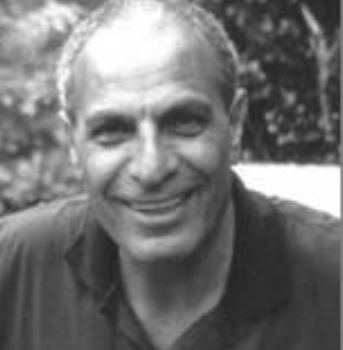
پروفسور داود غلام آزاد(*)
ترجمه از آلمانی با کمک هوش مصنوعی
فریادِ تأیید، انتخابات نیست
پهلویگرایی چگونه و چرا غوغاسالاری را با دموکراسی یکی میگیرد
چکیده
کمابیش همهٔ جریانهای اپوزیسیونِ ایران از دموکراسی دم میزنند. این جستار نشان میدهد که پهلویگرایی این واژه را به کار میبرد، ولی در عمل راه را برای غوغاسالاری هموار میکند: یعنی برای حکومتِ کسانی که بیهیچ مجوزی قدرت را به دست میگیرند، جمعیت را پشتوانهٔ خود میخوانند و بر دوشِ آن بالا میروند. این اشتباه از چهار راه پیش میآید. فریادِ تأیید جای انتخابات مینشیند. پیش از هر روالِ قانونی ادعای اختیار میکنند. اتحاد را همان یکصدایی میپندارند. و غوغاگری بر ضدِ منتقدان به ابزارِ سیاست بدل میشود. میگویند بحث فقط بر سرِ دورهٔ گذار است و انتخاباتِ آزاد هم وعده داده شده. پاسخِ این جستار این است که اعلامِ پایبندی هنوز تعهدِ الزامآور نیست و تکلیفِ کار در همان دورهٔ گذار یکسره میشود؛ همهپرسیِ فروردینِ ۱۳۵۸ گواهِ آن است. این اشتباه پنج ریشه دارد: نتیجهٔ واپسماندگیِ نسبیِ عادات اجتماعی، نبودِ تمرین در روالهای دموکراتیک، کمقدرتی در برابرِ چهار اجبار، خویشاوندی با قالبِ «جمهوری اسلامی»، و نفعِ مدعیانِ رهبری، که جز تبار و فریادِ تأیید تکیهگاهی ندارند. بدیلِ دموکراتیک سه شرط دارد: رهبریِ دورهٔ گذار به دستِ شورایی مشترک که مجوز داشته باشد، محدود باشد و زیرِ نظارت باشد؛ مجلسِ مؤسسانی برآمده از انتخاباتِ آزاد؛ و تمرینِ خودکنترلی هنگامِ اختلاف، که از خودِ اپوزیسیون آغاز میشود.
پرسش
هر کس بخواهد از «جمهوری اسلامی» گذر کند باید بتواند بگوید چه باید جای آن بنشیند. کمابیش همهٔ جریانهای اپوزیسیون یک پاسخ میدهند: دموکراسی. ولی این واژه بهتنهایی هیچ گرهی را باز نمیکند. بنیادگذارانِ «جمهوری اسلامی» هم مردم را پشتوانهٔ خود میخواندند، میلیونها نفرِ توی خیابان را و یک همهپرسی را. پس مهم این است که از دموکراسی چه میفهمیم. سخنِ این جستار این است که پهلویگرایی از دموکراسی حرف میزند، ولی در عمل راه را برای شکلِ دیگری از حکومت هموار میکند که از روزگارِ باستان نامِ خودش را دارد: غوغاسالاری، یا به واژهٔ یونانی، اُخلوکراسی.
مراد از پهلویگرایی در اینجا هر نوع هواداری از پادشاهیِ مشروطه نیست. مراد جنبشی است که پسرِ آخرین شاه را تجسمِ ملت میداند و از ستایشِ شخصِ او و دودمانش ادعای رهبری بیرون میکشد.
غوغاسالاری یعنی چه
اُخلوکراسی واژهای یونانی است: «اُخلوس» یعنی انبوهِ جمعیت و «کراتِین» یعنی حکومت کردن. ولی مراد حکومتِ تهیدستان یا درسنخواندهها نیست. یکی از بزرگترین اندیشمندانِ روزگارِ نو این مفهوم را درست در نقطهٔ حساسش روشن کرده است. او مردم را از جماعتِ غوغاگر جدا میکند؛ آن هم نه با تبار و دارایی و سواد، بلکه با رفتار. مردم یعنی انبوهِ آدمها، آنگاه که زیرِ قانونهای مشترک به هم میپیوندند و یک کلِ مدنی میسازند. جماعتِ غوغاگر آن بخشی است که خودش را از این قانونها مستثنا میکند. هر گاه این بخش دور هم جمع شود تا بدونِ حق و بدونِ روالِ قانونی خواستِ خودش را به کرسی بنشاند، این اندیشمند نامِ آن را غوغاگری میگذارد. هر کس غوغاگری کند خودش را از جایگاهِ شهروند بیرون میگذارد، چه تهیدست باشد چه توانگر، چه درسنخوانده باشد چه دانشگاهدیده.
همین اندیشمند غوغاسالاری را تحریفِ شکلِ حکومت میداند، به دستِ کسانی که بیمجوز قدرت را به دست گرفتهاند. نکتهٔ اصلی همین است. جمعیت در حقیقت هیچگاه خودش حکومت نمیکند؛ چون جمعیت میتواند فریاد بزند، تهدید کند و ویران کند، ولی نمیتواند کشور را اداره کند. در غوغاسالاری کسانی حکومت میکنند که جمعیت را پشتوانهٔ خود میخوانند و بر دوشِ آن بالا میروند، بیآنکه هیچ روالِ قانونی چنین اختیاری به آنها داده باشد.
تمایزِ دومی هم در کار است. اینکه چه کسی حکومت میکند، یک نفر یا چند نفر یا همه، یک پرسش است. اینکه چگونه حکومت میشود پرسشِ دیگری است، و اینجا فقط دو شیوه هست: شیوهٔ جمهوری یا شیوهٔ استبدادی. شیوهٔ جمهوری یعنی اینکه قانونگذاری از اجرا جدا باشد، حاکمان کارگزارانی موقت باشند و قانون دستِ کسی را هم که اجرایش میکند ببندد. به گفتهٔ این اندیشمند، حکومتِ مردم بدونِ این جدایی ناگزیر استبداد است؛ چون در آن همه دربارهٔ فردی که موافق نیست، و اگر لازم شد بر ضدِ او، تصمیم میگیرند: «همهای که همه نیستند». پس آنچه امروز بهدرستی دموکراسی نامیده میشود حکومتِ بزرگترین شمار یا بلندترین صدا نیست. دموکراسی یعنی اینکه شهروندان خودشان برای خودشان قانون بگذارند، در چارچوبِ قانون، تفکیکِ قوا، نمایندگی و پاسداری از کسانی که در رأیگیری در اقلیت ماندهاند.
این اشتباه چگونه پیش میآید
نخستین خطا این است که فریادِ تأیید را جای انتخابات مینشانند. در دیماهِ ۱۴۰۱، در چند روز، بسیار بیش از صد هزار نفر پای طوماری اینترنتی را امضا کردند (کارزارِ «من وکالت میدهم») و با آن به پسرِ آخرین شاه برای دورهٔ گذار «وکالت» دادند. خودِ او پیشتر گفته بود هر فعالیتی مبنایی مشروع یا گونهای وکالت از درونِ ایران لازم دارد. در اعتراضهای دیماهِ ۱۴۰۴ هم شعار میدادند: «این است شعارِ ملی، رضا رضا پهلوی». از همین امضاها و شعارها و شمارِ کلیکها نتیجه میگیرند که مردم به او مأموریت دادهاند.
ولی فریادِ تأیید انتخابات نیست. انتخابات مخفی است؛ فریادِ تأیید جلوِ چشمِ دیگران سر داده میشود. در انتخابات وزنِ همهٔ رأیها یکی است؛ در فریادِ تأیید بلندیِ صدا به حساب میآید. انتخابات نامزدِ رقیب دارد و در آن میشود «نه» گفت؛ فریادِ تأیید فقط «آری» میشناسد، و هر که ساکت بماند او را هم جزوِ موافقان میشمارند. رأیهای انتخابات را طوری میشمارند که بشود بازبینیاش کرد؛ انتخابات سرِ موعدِ معیّن دوباره برگزار میشود؛ و بازنده حقوقش را از دست نمیدهد. فریادِ تأیید هیچیک از اینها را ندارد. نشان میدهد که نیازی در کار است. ولی به هیچکس اختیار نمیدهد.
خطای دوم این است که اختیار را پیش از روالِ قانونی مطالبه میکنند. در تابستانِ ۱۴۰۴ برنامهای برای «دورانِ اضطرار» پس از سرنگونیِ «جمهوری اسلامی» منتشر شد که قدرتِ دورهٔ گذار را به دستِ پسرِ آخرین شاه میسپارد. در اسفندِ ۱۴۰۴ او «سامانهٔ گذار»ی را که در این برنامه طرح شده تنها بدیلِ مشروعِ حکومتِ کنونی اعلام کرد. اینجا کسی مشروعیت را خودش به خودش میدهد و در همان حال آن را از همهٔ دیگران میگیرد، پیش از آنکه حتی یک نفر در ایران آزادانه رأی داده باشد. قدرتی که مأموریتش را خودش به خودش بدهد، به معنای دقیقِ کلمه بیمجوز است.
خطای سوم این است که اتحاد را همان یکصدایی میپندارند. شعارِ «یک ملت، یک رهبر، یک پرچم» با مردم چنان رفتار میکند که گویی یک تناند با یک صدا. آنوقت هر که جورِ دیگری حرف بزند دیگر از مردم نیست: جمهوریخواهان، چپها و نمایندگانِ اقلیتهای زبانی و فرهنگی را «تفرقهافکن»، «تجزیهطلب» یا همدستِ حکومت میخوانند. این درست همان است که آن اندیشمند تناقضِ ارادهٔ همگانی با خودش مینامد. اتحادِ دموکراتیک این نیست که همه یک خواسته داشته باشند. این است که همه قاعدههای یکسانی را بپذیرند و اختلافهایشان را در چارچوبِ همان قاعدهها حلوفصل کنند.
خطای چهارم این است که غوغاگری را ابزارِ سیاست میکنند. هر کس در ادعای رهبری چونوچرا کند، بخشی از هواداران بهجای آنکه پاسخش را با دلیل بدهند دستهجمعی بر سرش میریزند، دشنامش میدهند، تهدیدش میکنند و وادارش میکنند ساکت شود. این بلا حتی بر سرِ نویسندهای سرشناس و سلطنتطلب آمد که از کتابچهٔ دورانِ اضطرار انتقاد کرده بود. در اردیبهشتِ ۱۴۰۵ هم بر سرِ روزنامهنگاری آلمانی آمد که در نشستی خبری در برلین پرسشهای انتقادی مطرح کرده بود. اینجا جمعیتی خودش را از قاعدههای بحثِ علنی مستثنا میکند، و این کار را به نامِ مردم میکند. هر جا چنین رفتاری را تحمل کنند یا از آن استقبال کنند، شیوهٔ حکمرانیِ آینده از هماکنون پیداست.
یک ایراد: بحث که فقط بر سرِ دورهٔ گذار است
میشود به این سخنان ایراد گرفت که پسرِ آخرین شاه بارها گفته است به انتخاباتِ آزاد پایبند است و دربارهٔ شکلِ حکومت فقط مردم تصمیم میگیرند. میگویند وکالت و شعارها فقط نشانهٔ اعتماد است و قرار نیست جای انتخابات را بگیرد. میگویند در لحظهٔ فروپاشی هم کسی باید رهبری کند تا کشور مثلِ عراق و لیبی در هرجومرج فرو نرود. این ایراد را باید جدی گرفت. نگرانی از ازهمپاشیدگی بهجاست، و برای دیدنِ ضعفِ آن وعده هم لازم نیست کسی در صداقتش شک کند.
ضعفش این است که اعلامِ پایبندی هنوز تعهدِ الزامآور نیست. وعده فقط تا وقتی دستِ وعدهدهنده را میبندد که خودش بخواهد و بتواند به آن عمل کند. روالِ قانونی دستِ او را میبندد، حتی اگر خودش نخواهد و حتی اگر کسانی که او را بر دوش گرفتهاند نخواهند. جانِ شیوهٔ جمهوری همین است: آزادیِ شهروندان را از حُسنِ نیتِ حاکمان بینیاز میکند. پس کسی که نیتِ خوبِ یک آدم را دلیل میآورد، هنوز پرسشِ شیوهٔ حکمرانی را اصلاً پیش نکشیده است.
از این گذشته، دورهٔ گذار همان زمانی است که تکلیفِ کار در آن یکسره میشود؛ پیشدرآمدِ تصمیمِ اصلی نیست. هر که در آن چند ماه سلاح و دستگاهِ اداری و خزانه و رادیو و تلویزیون را در دست داشته باشد، همو تعیین میکند که رأیگیری کِی باشد، چه کسی حق دارد نامزد شود، پرسشِ روی برگهٔ رأی چه باشد و رأیها را چه کسی بشمارد. تجربهٔ ایران در این باره جای تردید نمیگذارد. در بهمنِ ۱۳۵۷ خمینی نخستوزیرِ دولتِ موقت را منصوب کرد و در حکمش به حقی استناد کرد «ناشی از آرای اکثریتِ قاطعِ قریب به اتفاقِ ملتِ ایران» که «طیِ اجتماعاتِ عظیم و تظاهراتِ وسیع و متعدد در سراسرِ ایران» ابراز شده بود. فریادِ خیابان سندِ حق به شمار آمد. یکی از نخستین مأموریتهای آن دولت برگزاریِ همهپرسیِ «جمهوری اسلامی» بود. همهپرسی، همانطور که وعده داده بودند، در ۱۰ و ۱۱ فروردینِ ۱۳۵۸ برگزار شد؛ ولی با یک پرسش، با «آری» یا «نه»، و بدونِ هیچ متنی از قانونِ اساسی. بنا بر آمارِ رسمی ۹۸٫۲ درصد «آری» گفتند. پس به وعده عمل شد، ولی این کار جلوِ آنچه پیش آمد را نگرفت؛ چون تصمیم در همان دورهٔ گذار گرفته شده بود.
اینکه میگویند اینها فقط نمایی از حالوهوای مردم است هم با آنچه در عمل میگذرد نمیخواند. نمایی از حالوهوای مردم ادعای انحصار ندارد. ولی اینجا از امضاها و شعارها این حکم را بیرون میکشند که فقط یک بدیلِ مشروع هست. وکالت به معنای حقوقی حدودِ معیّنی دارد، میشود آن را پس گرفت، و وکیل باید حساب پس بدهد. «وکالتی» که در اینترنت داده شده نه حدی دارد، نه میشود پسش گرفت، نه کسی بابتِ آن حساب پس میدهد؛ و هیچکس هم نمیتواند وارسی کند که چه کسانی امضا کردهاند.
درست است که دورهٔ گذار رهبری میخواهد. ولی نتیجهاش این نیست که یک نفر باید رهبری کند. نتیجهاش این است که رهبری باید مجوز داشته باشد، محدود باشد و زیرِ نظارت باشد. هرجومرج از دیرباز بهانهای بوده است که قدرتِ بیمهار خودش را با آن توجیه میکند، و وضعِ اضطراری دری است که این قدرت بیش از همه دوست دارد از آن وارد شود. نظم و نظارت با هم ناسازگار نیستند. شورایی مشترک از نیروهای گوناگون، با قاعدههایی که از پیش بر سرشان توافق شده، با مهلتِ معیّن و با حسابپسدادنِ علنی، به همان خوبی میتواند نان و امنیتِ مردم را تأمین کند. چنین شورایی موازنههای قدرت را باز میگذارد و نمیگذارد پیش از انتخابات به سودِ یک طرف یکسره شوند.
از اینجا محکِ سادهای به دست میآید. کسی که در وعدهاش جدی است میتواند از همین امروز خودش را متعهد کند: با دست کشیدن از این ادعا که تنها بدیلِ مشروع است؛ با آمادگی برای اینکه در رهبریِ دورهٔ گذار با دیگران شریک شود و نظارتِ آنها را بپذیرد؛ و با اینکه آشکارا جلوِ هوادارانی بایستد که به دگراندیشان دشنام میدهند و تهدیدشان میکنند. تا وقتی او خودش را اینگونه متعهد نکرده، اعلامِ پایبندیاش به دموکراسی در حدِ اعلامِ نیت میماند و ادعای رهبریاش بیمجوز.
چرا پیش میآید
دلیلِ نخست در عادات اجتماعی است. مراد آن پیشآمادگیِ پیشاآگاه است که آدمها در زندگیِ اجتماعی به دست میآورند و با آن میبینند، داوری میکنند و رفتار میکنند، پیش از آنکه آگاهانه تصمیم بگیرند. این پیشآمادگی در صورتبندیهایی شکل میگیرد که آدمها با هم میسازند، و معمولاً کندتر از آنها دگرگون میشود. این عقبماندن همان واپسماندنِ نسبیِ عادات اجتماعی است. در ایران نسلها سیاست را، نخست در حکومتِ فردیِ شاه و سپس در حکومتِ فردیِ روحانی، فقط به صورتِ رابطهٔ فرمانروا و رعیت تجربه کردهاند. کسی که اینگونه بار آمده، بدیلِ فرمانروای بد را اول از همه فرمانروای خوب تصور میکند، نه سامانِ دیگری برای رابطهها. حاصلش همان است که نتیجهٔ واپسماندگیِ نسبیِ عادات اجتماعی نام دارد: آرزوی رهایی قالبِ کهنه را دوباره برپا میکند، یعنی گشتن به دنبالِ یک ناجی که آدم خودش را به او بسپارد.
دلیلِ دوم نبودِ تمرین است. حزبها، سندیکاها، انجمنهای صنفی و تشکلهای خودگردان در هر دو حکومت سرکوب شدند. ولی روالهای دموکراتیک را فقط جایی میشود آموخت که به کارشان ببریم: رأی دادن، باختن، پذیرفتنِ رأیِ اکثریت و ادامه دادنِ کار در جایگاهِ اقلیت. کسی که نتوانسته این تجربه را از سر بگذراند فقط دو شکل از سیاست میشناسد، اطاعت و جمعیتِ خیابان، و دومی را ضدِ اولی میپندارد.
دلیلِ سوم کمقدرتی است، یعنی اینکه آدمها کمتر میتوانند اجبارهایی را مهار کنند که زیرِ فشارشان زندگی میکنند. یکی اجبارهای طبیعتِ بیرونی است، مثلِ خشکسالی، کمآبی و هوای آلوده. دیگری اجبارهای طبیعتِ خودِ آدمهاست، یعنی گرسنگی، بیماری، ترس و خشم. سومی دگرْاجبارهاست، یعنی اجبارهایی که آدمها بر خودشان و بر یکدیگر اِعمال میکنند، که در اینجا یعنی هنجارهای اجتماعی که سرکوب در آنها رسوب کرده، تحریمها و، از اسفندِ ۱۴۰۴، جنگِ آشکار. و چهارمی خودْاجبارهاست: ترس و فرمانبریِ درونیشده. هر چه مهارِ این چهار اجبار با هم کمتر باشد، خطر بزرگتر است؛ و هر چه خطر بزرگتر باشد، آرزوها و ترسها بیشتر بر فکرِ آدم فرمان میرانند. آنوقت وضعِ پیچیده کارِ یک آدمِ بد به نظر میآید و راهِ برونرفت کارِ یک آدمِ خوب. آرزوی ناجی پاسخی است به ناتوانیای که آدمها آن را با پوست و گوشت حس کردهاند؛ نشانهٔ نادانی نیست.
دلیلِ چهارم خویشاوندی با همان دشمنی است که با او میجنگند. «جمهوری اسلامی» خودش از دلِ همین اشتباه بیرون آمد: در ۱۳۵۷ میلیونها نفری را که در خیابان بودند همان مردم دانستند و فریادِ تأییدشان را مأموریت. از آن روز این حکومت با جمعیتهای سازماندهیشده هم حکم میراند و نامش را «حضورِ مردم در صحنه» میگذارد. کسی که جز این ندیده، همین قالب را برمیدارد و فقط علامتش را وارونه میکند. گسستِ ۱۳۵۷ محتوا را عوض کرد و قالب را نگه داشت، و امروز هم همان خطر در کمین است.
دلیلِ پنجم یک نفع است. ادعای رهبری، وقتی نه بر انتخابات تکیه دارد و نه بر سازمانی ریشهدار در کشور، فقط دو سرچشمه دارد: تبار و فریادِ تأیید. تبار بهتنهایی امروز دیگر کسی را قانع نمیکند. پس فریادِ تأیید باید مأموریتِ دموکراتیک به حساب بیاید. اینگونه دموکراسی وسیلهای میشود برای هدفی که از بیرون تعیین شده است: به دست گرفتنِ حکومت. این همان عقلِ ابزاری است که وسیله را به اندازهٔ هدف میبُرد و میدوزد.
بدیلِ دموکراتیک چه میخواهد
سیاست به معنای دموکراتیک یعنی «برپایی و مدیریتِ دموکراتیکِ شرایطِ عامِ بازتولیدِ دروندولتی و میاندولتیِ جامعه». واژهٔ «دموکراتیک» در این تعریف وصفِ خودِ برپایی است؛ یعنی راه هم باید دموکراتیک باشد. نتیجهاش برای دورهٔ گذار این است که قدرتِ این دوره نباید در دستِ یک شخص باشد. باید در دستِ همان شورای مشترکی باشد که گوناگونیِ واقعیِ اپوزیسیون در آن نماینده دارد، با مأموریتی سخت محدود، مهلتی کوتاه و نظارتِ علنی. نتیجهٔ دیگرش مجلسِ مؤسسانی است برآمده از انتخاباتِ آزاد، که هیچکس نتیجهٔ کارش را از پیش تعیین نکرده باشد. و نیز تفکیکِ قوا، استقلالِ دادگاهها و حقوقِ تضمینشده برای اقلیتها و برای کسانی که در رأیگیری در اقلیت ماندهاند.
این نهادها توخالی میمانند اگر عادات اجتماعی هم همراهِ آنها دموکراتیک نشود. دموکراسی آدمهایی میخواهد که بتوانند هنگامِ اختلاف هیجانهایشان را مهار کنند، شکست را تاب بیاورند و در حریفشان هممیهن و شهروندی مثلِ خودشان ببینند. این خودکنترلی پایهٔ خودآیینی است و فقط با تمرین به دست میآید. تمرین از همین امروز آغاز میشود، در شیوهای که اپوزیسیون با آن به اختلافهای خودش میپردازد. از رفتارِ هر جنبشی با منتقدانش میشود فهمید که اگر به حکومت برسد چگونه حکومت خواهد کرد.
سخنِ پایانی
غوغاسالاری تحریفِ دموکراسی است، نه پلهای به سوی آن. از فریادِ تأیید برای یک آدم، حکومتِ قانون خودبهخود بیرون نمیآید؛ تجربهٔ ۱۳۵۷ این را نشان داد. پس بدیلِ «جمهوری اسلامی» نامِ دیگری در رأسِ کار نیست. شیوهٔ دیگری از حکمرانی است که در آن هیچکس حکومت نمیکند مگر آنکه روالی همگانی و قابلِ وارسی به او اختیار داده باشد و قانون دستش را بسته باشد.
منابع
ایمانوئل کانت، فلسفهٔ حقوق (بخشِ نخستِ مابعدالطبیعهٔ اخلاق، ۱۷۹۷)، بندِ ۵۱ و توضیحِ آن، ترجمهٔ منوچهر صانعی درهبیدی، تهران: نقش و نگار. همو، صلح پایدار (۱۷۹۵)، اصلِ قطعیِ نخست، ترجمهٔ محمد صبوری، تهران: بهباوران. همو، انسانشناسی از دیدگاهِ عملی (۱۷۹۸)، بخشِ «خصلتِ ملت»:
Immanuel Kant, Anthropologie in pragmatischer Hinsicht, Abschnitt „Der Charakter des Volks”.
نوربرت الیاس، در باب فرایند تمدن (۱۹۳۹)، ترجمهٔ غلامرضا خدیوی، تهران: جامعهشناسان. همو، «درگیری و فاصلهگیری» (۱۹۸۳):
Norbert Elias, Engagement und Distanzierung, Frankfurt am Main: Suhrkamp 1983.
کارل مارکس، هیجدهم برومر لوئی بناپارت (۱۸۵۲)، ترجمهٔ باقر پرهام، تهران: نشر مرکز.
داود غلام آزاد، ایران: پیدایشِ «انقلابِ اسلامی» (به آلمانی):
Dawud Gholamasad, Iran. Die Entstehung der „Islamischen Revolution”, Hamburg: Junius 1985.
دربارهٔ رویدادها: ایران اینترنشنال، ۲۸ دی و ۲ بهمنِ ۱۴۰۱ (۱۸ و ۲۲ ژانویهٔ ۲۰۲۳)، دربارهٔ کارزارِ وکالت. «پروژهٔ شکوفاییِ ایران»، کتابچهٔ «دورانِ اضطرار»، ژوئیهٔ ۲۰۲۵، بازنگریشده در مارسِ ۲۰۲۶. شبکهٔ WION، ۵ مارسِ ۲۰۲۶، دربارهٔ اعلامِ «سامانهٔ گذار» بهعنوانِ تنها بدیلِ مشروع. ایران اینترنشنال، ژانویهٔ ۲۰۲۶، دربارهٔ شعارهای اعتراضها. روزنامههای آلمانیِ taz و der Freitag، آوریل و مهِ ۲۰۲۶، دربارهٔ نشستِ خبریِ ۲۳ آوریلِ ۲۰۲۶ در برلین. دربارهٔ حکمِ نخستوزیریِ بهمنِ ۱۳۵۷ و همهپرسیِ ۱۰ و ۱۱ فروردینِ ۱۳۵۸: آمارِ رسمی، بنا بر روایتهای رایج از انقلاب.
هانوفر، 11مهر ۱۴۰۵
https://gholamasad.jimdofree.com/kontakt/
(*) داود غلام آزاد پروفسور باز نشسته رشته جامعه شناسی در دانشگاه هانوفر آلمان است. از ایشان نوشته ها و کتب متعددی در زمینه مشکلات دموکراسی در ایران موجود میباشد.
متن آلمانی نوشته:
Der Zuruf ist keine Wahl
Wie und warum der Pahlavismus die Demokratie mit der Ochlokratie verwechselt
Dawud Gholamasad
Abstract
Fast alle Strömungen der iranischen Opposition berufen sich auf die Demokratie. Der Beitrag zeigt, dass der Pahlavismus das Wort gebraucht, in seiner Praxis aber eine Ochlokratie vorbereitet: die Herrschaft unbefugter Machthaber, die sich auf die Menge berufen und sich von ihr tragen lassen. Die Verwechslung geschieht auf vier Wegen. Der Zuruf tritt an die Stelle der Wahl, die Befugnis wird vor dem Verfahren beansprucht, Einheit gilt als Einstimmigkeit, und das Rottieren gegen Kritiker wird zum politischen Mittel. Dem Einwand, es gehe nur um den Übergang und freie Wahlen seien versprochen, hält der Beitrag entgegen, dass ein Bekenntnis keine Bindung ist und dass sich im Übergang alles entscheidet, wie die Volksabstimmung vom März 1979 zeigt. Erklärt wird die Verwechslung aus dem Nachhinkeffekt des sozialen Habitus, aus der fehlenden Übung in demokratischen Verfahren, aus der Machtschwäche gegenüber den vier Zwängen, aus der Verwandtschaft mit der Form der „Islamischen Republik” und aus dem Interesse eines Führungsanspruchs, der sich nur auf Abstammung und Zuruf stützen kann. Die demokratische Alternative verlangt eine befugte, begrenzte und kontrollierte Führung des Übergangs durch ein gemeinsames Gremium, eine frei gewählte verfassunggebende Versammlung und die Einübung der Selbstkontrolle im Streit, die bei der Opposition selbst beginnt.
Die Frage
Wer die „Islamische Republik” überwinden will, muss sagen können, was an ihre Stelle treten soll. Fast alle Strömungen der Opposition antworten darauf mit demselben Wort: Demokratie. Aber das Wort allein entscheidet nichts. Auch die Gründer der „Islamischen Republik” beriefen sich auf das Volk, auf Millionen auf den Straßen und auf eine Volksabstimmung. Es kommt also darauf an, was unter Demokratie verstanden wird. Dieser Beitrag vertritt die These, dass der Pahlavismus Demokratie sagt, in seiner Praxis aber eine andere Form der Herrschaft vorbereitet, für die es seit der Antike einen eigenen Namen gibt: Ochlokratie.
Mit Pahlavismus ist hier nicht jede Sympathie für eine konstitutionelle Monarchie gemeint. Gemeint ist die Bewegung, die im Sohn des letzten Schahs die Verkörperung der Nation sieht und aus der Verehrung seiner Person und seiner Dynastie einen Anspruch auf Führung ableitet.
Was Ochlokratie heißt
Das Wort kommt aus dem Griechischen: ochlos heißt die Menge, kratein heißt herrschen. Gemeint ist aber nicht die Herrschaft der Armen oder der Ungebildeten. Einer der größten Denker der neueren Zeit hat den Begriff an der entscheidenden Stelle geklärt. Er unterscheidet das Volk vom Pöbel, und zwar nicht nach Herkunft, Besitz oder Bildung, sondern nach dem Verhalten. Volk ist die Menge der Menschen, sofern sie sich unter gemeinsamen Gesetzen zu einem bürgerlichen Ganzen vereinigt. Pöbel ist der Teil, der sich von diesen Gesetzen ausnimmt. Schließt er sich zusammen, um ohne Recht und Verfahren seinen Willen durchzusetzen, so nennt dieser Denker das „Rottieren”. Wer rottiert, schließt sich selbst von der Eigenschaft des Staatsbürgers aus, ob arm oder reich, ungebildet oder Akademiker.
Die Ochlokratie nennt derselbe Denker eine „Verfälschung” der Staatsform durch „unbefugte Machthaber”. Darauf kommt es an. Die Menge herrscht in Wahrheit nie selbst, denn eine Menge kann rufen, drohen und zerstören, aber nicht regieren. In der Ochlokratie herrschen diejenigen, die sich auf die Menge berufen und sich von ihr tragen lassen, ohne durch ein rechtliches Verfahren dazu befugt zu sein.
Hinzu kommt eine zweite Unterscheidung. Wer herrscht, einer, einige oder alle, ist das eine. Wie regiert wird, ist das andere, und hier gibt es nur zwei Möglichkeiten: republikanisch oder despotisch. Republikanisch heißt, dass die Gesetzgebung von der Ausführung getrennt ist, dass die Regierenden Beauftragte auf Zeit sind und dass das Gesetz auch den bindet, der es anwendet. Eine Volksherrschaft ohne diese Trennung ist nach diesem Denker notwendig ein Despotismus, weil in ihr alle über und notfalls gegen den Einzelnen beschließen, der nicht zustimmt: „alle, die doch nicht alle sind”. Was heute mit Recht Demokratie heißt, ist deshalb die an Recht, Gewaltenteilung, Repräsentation und Schutz der Überstimmten gebundene Selbstgesetzgebung der Staatsbürgerinnen und Staatsbürger, nicht die Herrschaft der größten oder lautesten Zahl.
Wie die Verwechslung geschieht
Die erste Verwechslung setzt den Zuruf an die Stelle der Wahl. Im Januar 2023 unterzeichneten innerhalb weniger Tage weit über hunderttausend Menschen eine Internet-Petition, mit der sie dem Sohn des letzten Schahs eine „Vollmacht” für die Zeit des Übergangs erteilten. Er selbst hatte zuvor erklärt, jede Tätigkeit brauche eine legitime Grundlage oder eine Art Vollmacht aus dem Inneren Irans. Bei den Protesten um die Jahreswende 2025/2026 wurde gerufen: „Das ist die nationale Parole: Reza Pahlavi”. Aus solchen Unterschriften, Rufen und Klickzahlen wird ein Auftrag des Volkes abgeleitet.
Ein Zuruf ist jedoch keine Wahl. Eine Wahl ist geheim, der Zuruf geschieht unter den Augen der anderen. In einer Wahl hat jede Stimme dasselbe Gewicht, beim Zuruf zählt die Lautstärke. Eine Wahl kennt Gegenkandidaten und das Nein, der Zuruf kennt nur Zustimmung, und wer schweigt, wird mitgezählt. Eine Wahl wird überprüfbar ausgezählt, sie wird nach einer festen Frist wiederholt, und der Unterlegene behält seine Rechte. All das fehlt dem Zuruf. Er zeigt, dass ein Bedürfnis vorhanden ist. Eine Befugnis begründet er nicht.
Die zweite Verwechslung beansprucht die Befugnis vor dem Verfahren. Im Juli 2025 wurde ein Programm für die „Notstandsphase” nach dem Sturz der „Islamischen Republik” veröffentlicht, das den Sohn des letzten Schahs als Träger der Übergangsgewalt vorsieht. Anfang März 2026 erklärte er das in diesem Programm entworfene „Übergangssystem” zur einzigen legitimen Alternative zum bestehenden Regime. Hier spricht sich jemand die Legitimität selbst zu und spricht sie zugleich allen anderen ab, bevor ein einziger Mensch in Iran frei gewählt hat. Eine Gewalt, die sich ihren Auftrag selbst erteilt, ist im genauen Sinn des Wortes unbefugt.
Die dritte Verwechslung hält Einheit für Einstimmigkeit. Die Parole „ein Volk, ein Führer, eine Fahne” behandelt das Volk wie einen einzigen Körper mit einer einzigen Stimme. Wer anders spricht, gehört dann nicht mehr dazu: Republikaner, Linke und Vertreter der sprachlichen und kulturellen Minderheiten werden zu „Spaltern”, „Separatisten” oder Helfern des Regimes erklärt. Das ist genau der Vorgang, den jener Denker als Widerspruch des allgemeinen Willens mit sich selbst beschreibt. Demokratische Einheit besteht nicht darin, dass alle dasselbe wollen, sondern darin, dass alle dieselben Regeln anerkennen, nach denen sie ihre Gegensätze austragen.
Die vierte Verwechslung macht das Rottieren zum politischen Mittel. Wer den Führungsanspruch in Frage stellt, wird von Teilen der Anhängerschaft nicht widerlegt, sondern in Scharen beschimpft, bedroht und zum Schweigen gedrängt. Das traf selbst einen bekannten monarchistischen Publizisten, der das Notstandsprogramm kritisiert hatte. Es traf im April 2026 eine deutsche Journalistin, die auf einer Pressekonferenz in Berlin kritische Fragen gestellt hatte. Hier nimmt sich eine Menge von den Regeln aus, die für den öffentlichen Streit gelten, und sie tut es im Namen des Volkes. Wo dies geduldet oder begrüßt wird, ist die künftige Regierungsart schon vorgezeichnet.
Der Einwand: Es gehe doch nur um den Übergang
Gegen diese Darstellung lässt sich einwenden, der Sohn des letzten Schahs habe sich immer wieder zu freien Wahlen bekannt und erklärt, über die Staatsform entscheide allein das Volk. Die Vollmacht und die Parolen seien nur ein Zeichen des Vertrauens und kein Ersatz für die Wahl. Und im Augenblick des Zusammenbruchs müsse jemand führen, damit das Land nicht im Chaos versinkt wie der Irak oder Libyen. Dieser Einwand verdient eine ernsthafte Antwort. Die Sorge vor dem Zerfall ist berechtigt, und an der Aufrichtigkeit des Bekenntnisses muss niemand zweifeln, um seine Schwäche zu erkennen.
Die Schwäche liegt darin, dass ein Bekenntnis keine Bindung ist. Ein Versprechen bindet den, der es gibt, nur so lange, wie er selbst es halten will und halten kann. Ein Verfahren bindet ihn auch gegen seinen Willen und gegen den Willen derer, die ihn tragen. Das ist der Kern der republikanischen Regierungsart: Sie macht die Freiheit der Staatsbürgerinnen und Staatsbürger unabhängig vom guten Willen der Regierenden. Wer auf die guten Absichten eines Menschen verweist, hat die Frage nach der Regierungsart deshalb noch gar nicht gestellt.
Der Übergang ist zudem die Zeit, in der sich alles entscheidet, und kein Vorspiel zur eigentlichen Entscheidung. Wer in diesen Monaten über Waffen, Verwaltung, Staatskasse und Sender verfügt, bestimmt auch, wann gewählt wird, wer antreten darf, wie die Frage auf dem Stimmzettel lautet und wer die Stimmen zählt. Die iranische Erfahrung ist hier eindeutig. Anfang Februar 1979 ernannte Khomeini einen provisorischen Ministerpräsidenten und berief sich dabei auf das Recht, das ihm aus der nahezu einmütigen Stimme des Volkes zukomme, wie sie sich in den großen Versammlungen und Demonstrationen im ganzen Land gezeigt habe. Der Zuruf der Straße galt als Rechtstitel. Zu den ersten Aufträgen dieser Regierung gehörte die Volksabstimmung über die „Islamische Republik”. Sie fand statt, wie versprochen, am 30. und 31. März 1979, aber mit einer einzigen Frage, mit Ja oder Nein und ohne Verfassungstext, und nach amtlichen Angaben stimmten 98,2 Prozent zu. Das Versprechen wurde also gehalten, und es hat nichts verhindert, weil die Entscheidung im Übergang schon gefallen war.
Auch die Auskunft, es handle sich nur um ein Stimmungsbild, trifft die Praxis nicht. Ein Stimmungsbild erhebt keinen Anspruch auf Ausschließlichkeit. Hier aber wird aus Unterschriften und Rufen der Satz abgeleitet, es gebe nur eine einzige legitime Alternative. Eine Vollmacht im rechtlichen Sinn hat einen bestimmten Umfang, sie ist widerrufbar, und der Bevollmächtigte schuldet Rechenschaft. Die im Internet erteilte „Vollmacht” kennt weder Umfang noch Widerruf noch Rechenschaft, und niemand kann prüfen, wer unterschrieben hat.
Dass im Übergang geführt werden muss, ist richtig. Daraus folgt aber nicht, dass ein Einzelner führen muss, sondern dass die Führung befugt, begrenzt und kontrolliert sein muss. Das Chaos ist seit jeher die Begründung, mit der sich unkontrollierte Gewalt rechtfertigt, und der Notstand ist ihr bevorzugter Eingang. Ordnung und Kontrolle schließen einander nicht aus. Ein gemeinsames Gremium der verschiedenen Kräfte mit vorher vereinbarten Regeln, fester Frist und öffentlicher Rechenschaft kann die Versorgung und die Sicherheit ebenso gewährleisten. Es lässt die Machtbalancen offen, statt sie vor der Wahl zugunsten einer Seite zu schließen.
Daraus ergibt sich eine einfache Probe. Wer es mit dem Versprechen ernst meint, kann sich schon heute binden: durch den Verzicht auf den Anspruch, die einzige legitime Alternative zu sein, durch die Bereitschaft, die Führung des Übergangs mit anderen zu teilen und sich ihrer Kontrolle zu unterstellen, und durch den öffentlichen Widerspruch gegen die Anhänger, die Andersdenkende beschimpfen und bedrohen. Solange diese Selbstbindung ausbleibt, bleibt das Bekenntnis zur Demokratie eine Absichtserklärung und der Anspruch auf Führung unbefugt.
Warum sie geschieht
Der erste Grund liegt im sozialen Habitus. Gemeint ist die vorbewusste, gesellschaftlich erworbene Prädisposition, mit der die Menschen wahrnehmen, urteilen und handeln, bevor sie bewusst entscheiden. Sie bildet sich in den Figurationen heraus, die die Menschen miteinander bilden, und sie verändert sich in der Regel langsamer als diese. Dieses Zurückbleiben ist das Nachhinken des sozialen Habitus. Generationen in Iran haben Politik unter monarchischer und dann unter klerikaler Alleinherrschaft nur als Verhältnis von Herrscher und Untertanen erfahren. Wer so geprägt ist, stellt sich die Alternative zu einem schlechten Herrscher zuerst als guten Herrscher vor und nicht als eine andere Ordnung der Beziehungen. Die Folge ist der Nachhinkeffekt des sozialen Habitus: Der Wunsch nach Befreiung stellt die alte Form wieder her, die Suche nach dem Retter, dem man sich anvertraut.
Der zweite Grund ist die fehlende Übung. Parteien, Gewerkschaften, Berufsverbände und selbstverwaltete Vereinigungen wurden unter beiden Regimen unterdrückt. Demokratische Verfahren lernt man jedoch nur dort, wo man sie ausübt: abstimmen, verlieren, die Mehrheit anerkennen und als Minderheit weiterarbeiten. Wer diese Erfahrung nicht machen konnte, kennt nur zwei politische Formen, den Gehorsam und die Menge auf der Straße, und hält die zweite für das Gegenteil der ersten.
Der dritte Grund ist die Machtschwäche, das heißt die geringe Chance, die Zwänge zu kontrollieren, unter denen die Menschen leben. Das sind die Zwänge der äußeren Natur, etwa Dürre, Wassermangel und verseuchte Luft. Es sind die Zwänge der eigenen Natur, also Hunger, Krankheit, Angst und Wut. Es sind die Fremdzwänge, die die Menschen auf sich selbst und aufeinander ausüben, hier die sozialen Normen, in denen sich die Unterdrückung verfestigt hat, die Sanktionen und seit Februar 2026 der offene Krieg. Und es sind die Selbstzwänge, die verinnerlichte Furcht und Unterordnung. Je geringer die Kontrolle über alle vier zusammen, desto größer die Gefahr, und je größer die Gefahr, desto stärker wird das Denken von Wünschen und Ängsten bestimmt. Dann erscheint die verwickelte Lage als Werk einer bösen Person und die Lösung als Werk einer guten. Die Sehnsucht nach dem Retter ist die Antwort auf erlebte Ohnmacht, keine Dummheit.
Der vierte Grund ist die Verwandtschaft mit dem bekämpften Gegner. Die „Islamische Republik” ist selbst aus dieser Verwechslung hervorgegangen: 1979 galten die Millionen auf den Straßen als das Volk und ihr Zuruf als Auftrag. Seither herrscht das Regime auch mit organisierten Mengen, die es als „Anwesenheit des Volkes” ausgibt. Wer nichts anderes kennengelernt hat, übernimmt diese Form und kehrt nur das Vorzeichen um. Der Bruch von 1979 hat die Inhalte ausgetauscht und die Form bewahrt, und dieselbe Gefahr besteht heute.
Der fünfte Grund ist ein Interesse. Ein Führungsanspruch, der sich weder auf eine Wahl noch auf eine im Land verankerte Organisation stützen kann, hat nur zwei Quellen: die Abstammung und den Zuruf. Die Abstammung allein überzeugt in der Gegenwart nicht mehr. Also muss der Zuruf als demokratischer Auftrag gelten. Die Demokratie wird dabei zum Mittel für einen von außen gesetzten Zweck, die Übernahme der Regierungsgewalt. Das ist instrumentelle Vernunft, die das Mittel nach dem Zweck biegt.
Was die demokratische Alternative verlangt
Politik im demokratischen Sinn meint „die demokratische Herstellung und den Betrieb der allgemeinen inner- und zwischenstaatlichen Reproduktionsbedingungen der Gesellschaft”. Das Wort „demokratisch” steht in dieser Bestimmung an erster Stelle und bezieht sich auf die Herstellung selbst, also auch auf den Weg. Für den Übergang folgt daraus, dass keine Person die Übergangsgewalt trägt, sondern jenes gemeinsame Gremium, in dem die tatsächliche Vielfalt der Opposition vertreten ist, mit eng begrenztem Auftrag, kurzer Frist und öffentlicher Kontrolle. Es folgt eine frei gewählte verfassunggebende Versammlung, der niemand das Ergebnis vorwegnimmt. Es folgen die Trennung der Gewalten, die Unabhängigkeit der Gerichte und verbürgte Rechte für die Überstimmten und die Minderheiten.
Diese Einrichtungen bleiben hohl, wenn sich der soziale Habitus nicht mit ihnen demokratisiert. Demokratie setzt Menschen voraus, die ihre Affekte im Streit kontrollieren, eine Niederlage ertragen und im Gegner den Mitbürger erkennen können. Diese Selbstkontrolle ist die Grundlage der Autonomie, und sie wird nur durch Übung erworben. Die Übung beginnt heute, in der Art, wie die Opposition ihre eigenen Gegensätze austrägt. An der Weise, wie eine Bewegung mit ihren Kritikern umgeht, lässt sich ablesen, wie sie regieren würde.
Schluss
Die Ochlokratie ist die Verfälschung der Demokratie, keine Vorstufe zu ihr. Aus dem Zuruf für einen Menschen bildet sich nicht von selbst die Herrschaft des Gesetzes heraus, wie die Erfahrung von 1979 gezeigt hat. Die Alternative zur „Islamischen Republik” ist deshalb nicht ein anderer Name an der Spitze, sondern eine andere Regierungsart, in der niemand herrscht, der dazu nicht durch ein allgemeines und überprüfbares Verfahren befugt und durch das Gesetz begrenzt ist.
Quellenhinweise
Immanuel Kant, Die Metaphysik der Sitten, Rechtslehre, § 51 mit Anmerkung (1797); Zum ewigen Frieden, Erster Definitivartikel (1795); Anthropologie in pragmatischer Hinsicht, Abschnitt „Der Charakter des Volks” (1798).
Norbert Elias, Über den Prozeß der Zivilisation (1939); Engagement und Distanzierung (1983).
Karl Marx, Der achtzehnte Brumaire des Louis Bonaparte (1852).
Dawud Gholamasad, Iran. Die Entstehung der „Islamischen Revolution”, Hamburg: Junius 1985.
Zu den Ereignissen: Iran International, 18. und 22. Januar 2023, zur Vollmachtskampagne. Iran Prosperity Project, Programm für die „Notstandsphase”, Juli 2025, überarbeitet März 2026. WION, 5. März 2026, zur Erklärung über das „Übergangssystem” als einzige legitime Alternative. Iran International, Januar 2026, zu den Parolen der Proteste. taz und der Freitag, April und Mai 2026, zur Pressekonferenz in Berlin vom 23. April 2026. Zum Ernennungsdekret vom Februar 1979 und zur Volksabstimmung vom 30. und 31. März 1979: amtliche Angaben nach den gängigen Darstellungen der Revolution.
Hannover,11.Oktober 2026
https://gholamasad.jimdofree.com/kontakt/
متن انگلیسی نوشته:
Acclamation Is Not an Election
How and why Pahlavism mistakes ochlocracy for democracy
Dawud Gholamasad
Abstract
Almost every current in the Iranian opposition invokes democracy. This essay shows that Pahlavism uses the word but in practice prepares the ground for an ochlocracy: rule by unauthorized holders of power who invoke the crowd and let it carry them. The confusion comes about in four ways. Acclamation takes the place of election, authority is claimed before any procedure, unity is taken to mean unanimity, and mob action against critics becomes a political instrument. To the objection that only the transition is at issue and that free elections have been promised, the essay replies that a pledge does not bind and that everything is decided during the transition, as the referendum of March 1979 shows. The confusion is explained by the lag effect of the social habitus, by the lack of practice in democratic procedures, by weakness in power in the face of the four constraints, by kinship with the form of the “Islamic Republic”, and by the interest behind a claim to leadership that can rest only on descent and acclamation. The democratic alternative requires an authorized, limited and accountable leadership of the transition by a joint body, a freely elected constituent assembly, and practice in self-control in dispute, which begins with the opposition itself.
The question
Anyone who wants to overcome the “Islamic Republic” must be able to say what is to take its place. Almost every current in the opposition answers with the same word: democracy. But the word alone settles nothing. The founders of the “Islamic Republic” also appealed to the people, to millions in the streets and to a referendum. What matters, then, is what is understood by democracy. This essay argues that Pahlavism says democracy but in its practice prepares the ground for a different form of rule, one that has had its own name since antiquity: ochlocracy.
By Pahlavism I do not mean any sympathy for a constitutional monarchy. I mean the movement that sees in the son of the last Shah the embodiment of the nation and derives a claim to leadership from the veneration of his person and his dynasty.
What ochlocracy means
The word comes from the Greek: ochlos means the crowd, kratein means to rule. But what is meant is not the rule of the poor or the uneducated. One of the greatest thinkers of modern times clarified the concept at the decisive point. He distinguishes the people from the rabble, and he does so not by origin, property or education but by conduct. The people is the multitude of human beings in so far as it unites under common laws into a civil whole. The rabble is the part that exempts itself from these laws. When it bands together to impose its will without right and without procedure, this thinker calls that illegal association the mob. Whoever joins the mob excludes himself from the quality of a citizen, whether poor or rich, uneducated or a university graduate.
The same thinker calls ochlocracy an “adulteration” of the form of state by unauthorized holders of power. That is the point. In truth the crowd itself never rules, for a crowd can shout, threaten and destroy, but it cannot govern. In an ochlocracy the rulers are those who invoke the crowd and let themselves be carried by it without being authorized to rule by any legal procedure.
There is a second distinction. Who rules, whether one, a few or all, is one question. How they govern is another, and here there are only two possibilities: republican or despotic. Republican means that legislation is separated from execution, that those who govern hold their mandate for a limited time, and that the law also binds the one who applies it. Rule by the people without this separation is, according to this thinker, necessarily a despotism, because in it all decide about, and if need be against, the one who does not agree: “all, who are nevertheless not all”. What is rightly called democracy today is therefore self-legislation by the citizens that is bound by law, by the separation of powers, by representation and by the protection of those who are outvoted; it is not the rule of the largest or the loudest number.
How the confusion comes about
The first confusion puts acclamation in the place of election. In January 2023, within a few days, well over a hundred thousand people signed an online petition granting the son of the last Shah a “power of attorney” for the period of transition. He himself had said beforehand that any activity needs a legitimate basis or some kind of power of attorney from inside Iran. During the protests around the turn of the year 2025/2026 crowds chanted: “This is the national slogan: Reza Pahlavi”. A mandate from the people is then derived from such signatures, chants and click counts.
But acclamation is not an election. An election is secret; acclamation takes place under the eyes of others. In an election every vote has the same weight; in acclamation what counts is loudness. An election has rival candidates and the possibility of saying no; acclamation knows only assent, and whoever stays silent is counted in. An election is counted in a way that can be checked, it is repeated after a fixed term, and the loser keeps his rights. Acclamation has none of this. It shows that a need exists. It does not confer authority.
The second confusion claims authority before the procedure. In July 2025 a programme was published for the “Emergency Phase” after the fall of the “Islamic Republic”, which provides for the son of the last Shah to hold the transitional power. At the beginning of March 2026 he declared the “Transition System” outlined in this programme to be the only legitimate alternative to the existing regime. Here someone awards legitimacy to himself and at the same time denies it to everyone else, before a single person in Iran has voted freely. A power that gives itself its own mandate is unauthorized in the exact sense of the word.
The third confusion takes unity to mean unanimity. The slogan “one people, one leader, one flag” treats the people as a single body with a single voice. Anyone who speaks differently then no longer belongs: republicans, people on the left and representatives of the linguistic and cultural minorities are declared to be “splitters”, “separatists” or accomplices of the regime. This is exactly what that thinker describes as the contradiction of the general will with itself. Democratic unity does not consist in everyone being of one will; it consists in everyone accepting the same rules by which they fight out their differences.
The fourth confusion turns the mob into a political instrument. Whoever questions the claim to leadership is not refuted by sections of his following but insulted and threatened in droves and hounded into silence. This happened even to a well-known monarchist commentator who had criticized the emergency programme. In April 2026 it happened to a German journalist who had asked critical questions at a press conference in Berlin. Here a crowd exempts itself from the rules that apply to public debate, and it does so in the name of the people. Where this is tolerated or welcomed, the future form of government is already foreshadowed.
The objection: surely it is only about the transition
It may be objected that the son of the last Shah has pledged himself again and again to free elections and has declared that the people alone will decide on the form of state. The power of attorney and the chants are said to be only a sign of trust and no substitute for an election. And at the moment of collapse, it is said, someone has to lead so that the country does not sink into chaos as Iraq or Libya did. This objection deserves a serious answer. The fear of disintegration is justified, and no one needs to doubt the sincerity of the pledge in order to see its weakness.
The weakness is that a pledge is not yet a bond. A promise binds the one who gives it only for as long as he himself is willing and able to keep it. A procedure binds him even against his will and against the will of those who carry him. That is the core of the republican form of government: it makes the freedom of the citizens independent of the good will of those who govern. Anyone who points to one person’s good intentions has therefore not yet even raised the question of the form of government.
The transition, moreover, is the time in which everything is decided, not a prelude to the real decision. Whoever in those months controls the weapons, the administration, the treasury and the broadcasters also determines when the vote is held, who may stand, how the question on the ballot paper is worded and who counts the votes. Iranian experience is unambiguous here. At the beginning of February 1979 Khomeini appointed a provisional prime minister and in doing so invoked the right that he said accrued to him from the nearly unanimous voice of the people, as shown in the great gatherings and demonstrations throughout the country. The acclamation of the street was treated as a legal title. Among the first tasks of that government was the referendum on the “Islamic Republic”. It took place as promised, on 30 and 31 March 1979, but with a single question, with yes or no and without any constitutional text, and according to the official figures 98.2 per cent voted yes. So the promise was kept, and it prevented nothing, because the decision had already been made during the transition.
Nor does the assurance that all this is only a snapshot of opinion match the practice. A snapshot of opinion makes no claim to exclusivity. Here, however, signatures and chants are used to derive the proposition that there is only one legitimate alternative. A power of attorney in the legal sense has a defined scope, it can be revoked, and the person holding it is accountable. The “power of attorney” granted on the internet has neither scope nor revocability nor accountability, and no one can check who signed.
It is true that the transition has to be led. But it does not follow that one individual has to lead; it follows that the leadership has to be authorized, limited and subject to oversight. Chaos has always been the argument with which unchecked power justifies itself, and the state of emergency is its favourite way in. Order and oversight are not mutually exclusive. A joint body of the various forces, with rules agreed in advance, a fixed term and public accountability, can equally well secure supplies and security. It leaves the power balances open instead of closing them in favour of one side before the election.
From this a simple test follows. Anyone who is serious about the promise can bind himself today: by giving up the claim to be the only legitimate alternative, by being willing to share the leadership of the transition with others and to submit to their oversight, and by publicly repudiating those followers who insult and threaten dissenters. As long as he does not bind himself in this way, the pledge of democracy remains a declaration of intent and the claim to leadership remains unauthorized.
Why it comes about
The first reason lies in the social habitus. By this is meant the preconscious, socially acquired predisposition with which people perceive, judge and act before they decide consciously. It takes shape in the figurations that people form with one another, and as a rule it changes more slowly than they do. This falling behind is the lagging of the social habitus. Generations in Iran have experienced politics, under monarchical and then under clerical one-man rule, only as a relation between ruler and subjects. Anyone who has been formed in this way imagines the alternative to a bad ruler first of all as a good ruler and not as a different ordering of relations. The consequence is the lag effect of the social habitus: the wish for liberation restores the old form: the search for a saviour to whom one can entrust oneself.
The second reason is the lack of practice. Parties, trade unions, professional associations and self-governing organizations were suppressed under both regimes. But democratic procedures are learned only where they are practised: voting, losing, accepting the majority and carrying on working as a minority. Those who were denied this experience know only two political forms, obedience and the crowd in the street, and take the second to be the opposite of the first.
The third reason is weakness in power, that is, the slight chance of controlling the constraints under which people live. These are the constraints of outer nature, such as drought, water shortage and poisoned air. They are the constraints of people’s own nature, that is, hunger, illness, fear and anger. They are the constraints by others, which people exert on themselves and on one another, here the social norms in which oppression has become entrenched, the sanctions and, since February 2026, open war. And they are the self-constraints, internalized fear and subordination. The less control there is over all four together, the greater the danger, and the greater the danger, the more strongly thinking is governed by wishes and fears. Then the tangled situation appears as the work of an evil person and the solution as the work of a good one. The longing for a saviour is a response to powerlessness actually lived through; it is not stupidity.
The fourth reason is kinship with the opponent being fought. The “Islamic Republic” itself arose from this confusion: in 1979 the millions in the streets were taken to be the people and their acclamation to be a mandate. Since then the regime has also ruled by means of organized crowds, which it passes off as the “presence of the people”. Those who have known nothing else take over this form and merely reverse the sign. The rupture of 1979 changed the content and kept the form, and the same danger exists today.
The fifth reason is an interest. A claim to leadership that can rest neither on an election nor on an organization rooted in the country has only two sources: descent and acclamation. Descent alone no longer carries conviction today. So acclamation has to count as a democratic mandate. Democracy thereby becomes a means to an end set from outside, the takeover of government. That is instrumental reason, which bends the means to fit the end.
What the democratic alternative requires
Politics in the democratic sense means “the democratic production and operation of the general intra-state and inter-state conditions of the reproduction of society”. The word “democratic” stands first in this definition and refers to the production itself, and so also to the way there. For the transition it follows that the transitional power is held not by any one person but by the joint body already described, in which the real diversity of the opposition is represented, with a narrowly limited mandate, a short term and public oversight. A freely elected constituent assembly follows, whose outcome no one pre-empts. So do the separation of powers, the independence of the courts, and guaranteed rights for those who are outvoted and for the minorities.
These institutions remain hollow if the social habitus is not democratized along with them. Democracy presupposes people who can control their affects in a dispute, accept defeat and recognize a fellow citizen in their opponent. This self-control is the foundation of autonomy, and it is acquired only through practice. The practice begins today, in the way the opposition handles its own differences. From the way a movement deals with its critics one can tell how it would govern.
Conclusion
Ochlocracy is the adulteration of democracy, not a preliminary stage on the way to it. The rule of law does not take shape of itself out of the acclamation of one man, as the experience of 1979 has shown. The alternative to the “Islamic Republic” is therefore not a different name at the top but a different form of government, in which no one rules who is not authorized to do so by a general and verifiable procedure and limited by the law.
Sources
Immanuel Kant, The Metaphysics of Morals, Doctrine of Right, § 51 with remark (1797), and Toward Perpetual Peace, First Definitive Article (1795), both in: Practical Philosophy, translated and edited by Mary J. Gregor (The Cambridge Edition of the Works of Immanuel Kant), Cambridge: Cambridge University Press 1996. Anthropology from a Pragmatic Point of View (1798), section “The Character of the Peoples”, translated by Robert B. Louden, in: Anthropology, History, and Education (The Cambridge Edition), Cambridge: Cambridge University Press 2007.
Norbert Elias, The Civilizing Process (1939), translated by Edmund Jephcott, revised edition, Oxford: Blackwell 2000; Involvement and Detachment (1983), translated by Edmund Jephcott, Oxford: Blackwell 1987.
Karl Marx, The Eighteenth Brumaire of Louis Bonaparte (1852).
Dawud Gholamasad, Iran. Die Entstehung der „Islamischen Revolution”, Hamburg: Junius 1985 (in German).
On the events: Iran International, 18 and 22 January 2023, on the power-of-attorney campaign. Iran Prosperity Project, programme for the “Emergency Phase”, July 2025, revised March 2026. WION, 5 March 2026, on the declaration that the “Transition System” is the only legitimate alternative. Iran International, January 2026, on the chants during the protests. taz and der Freitag, April and May 2026, on the Berlin press conference of 23 April 2026. On the decree of appointment of February 1979 and the referendum of 30 and 31 March 1979: official figures as given in the standard accounts of the revolution.
Hanover, 11. October 2026
https://gholamasad.jimdofree.com/kontakt/
 به کانال تلگرام سایت ملیون ایران بپیوندید